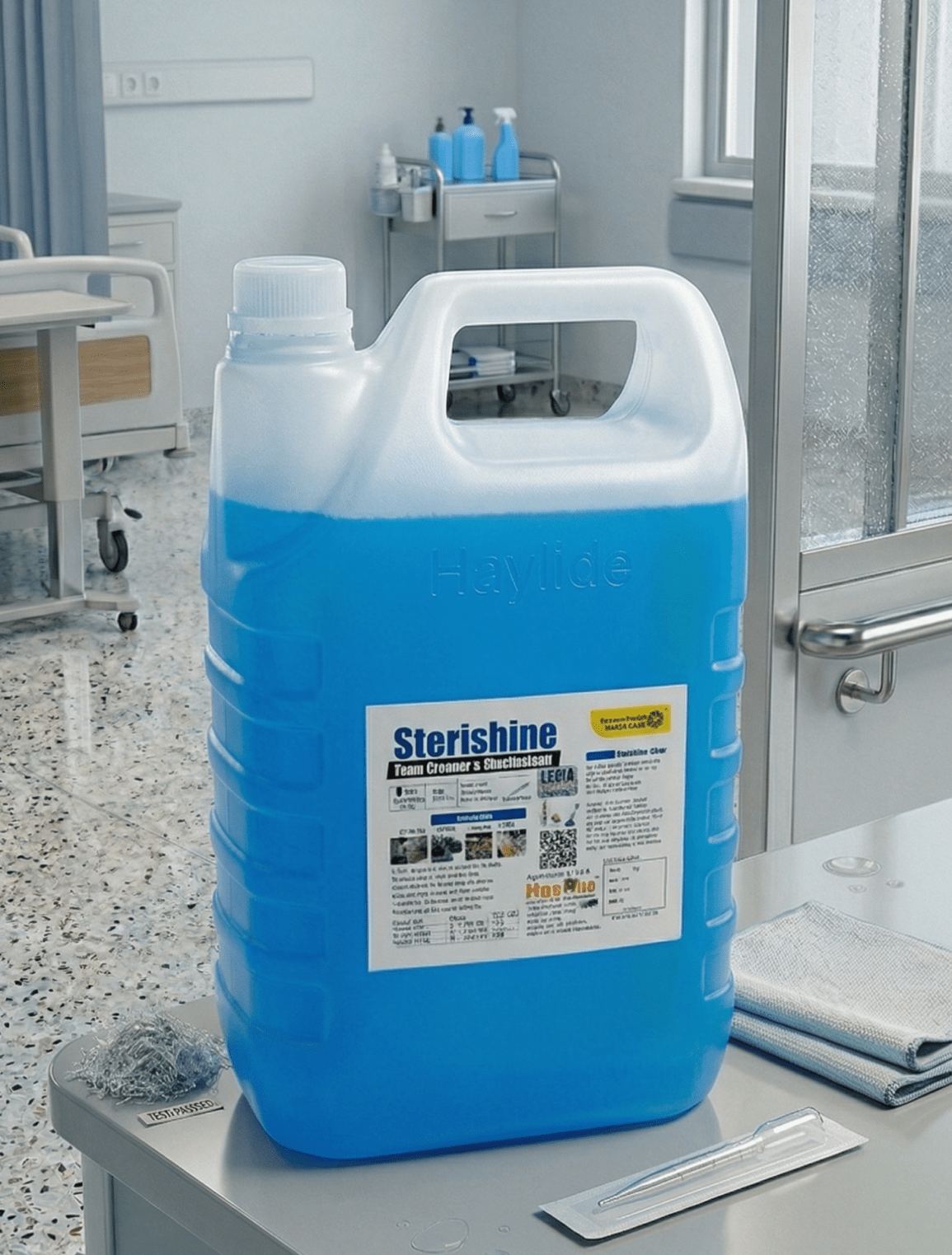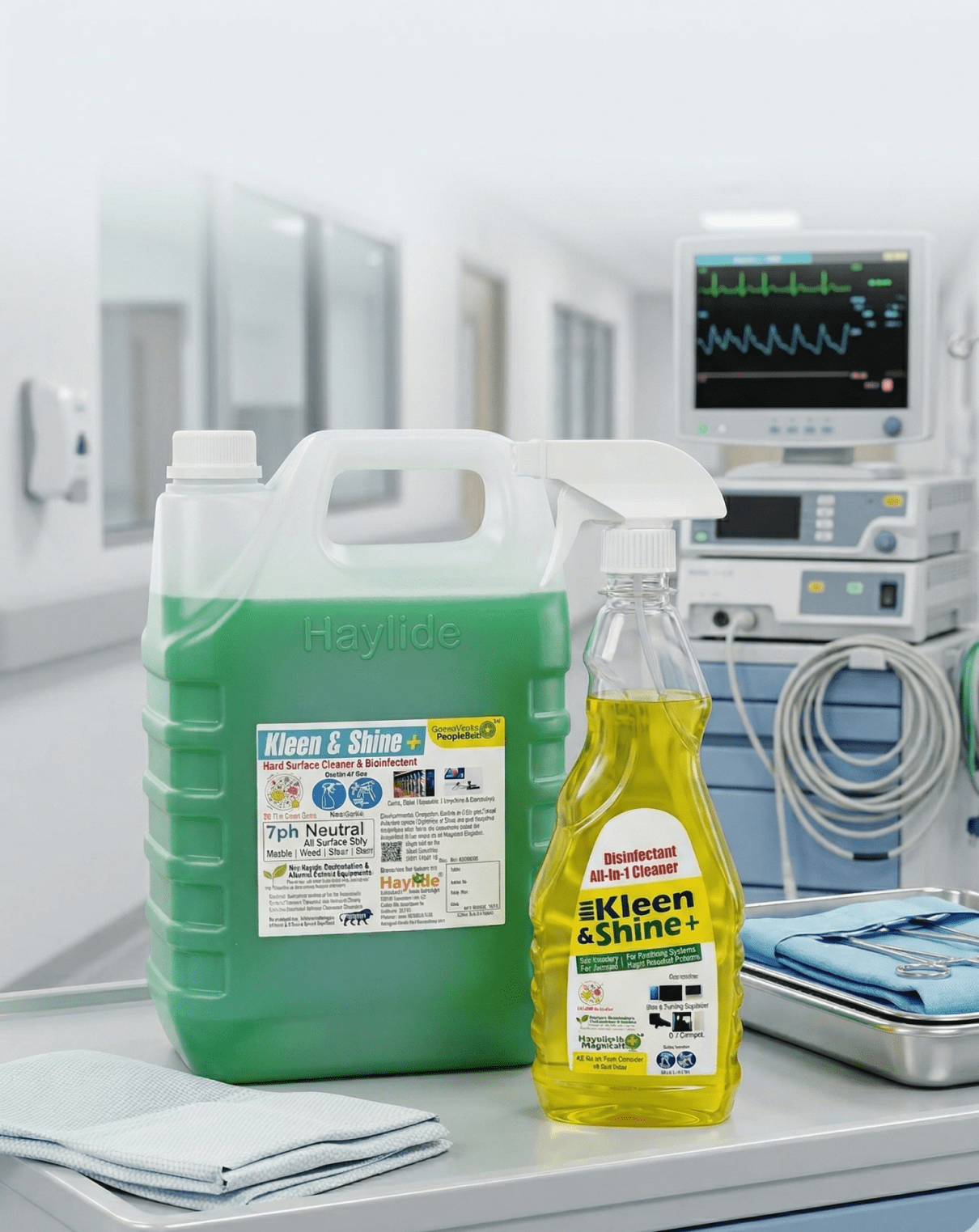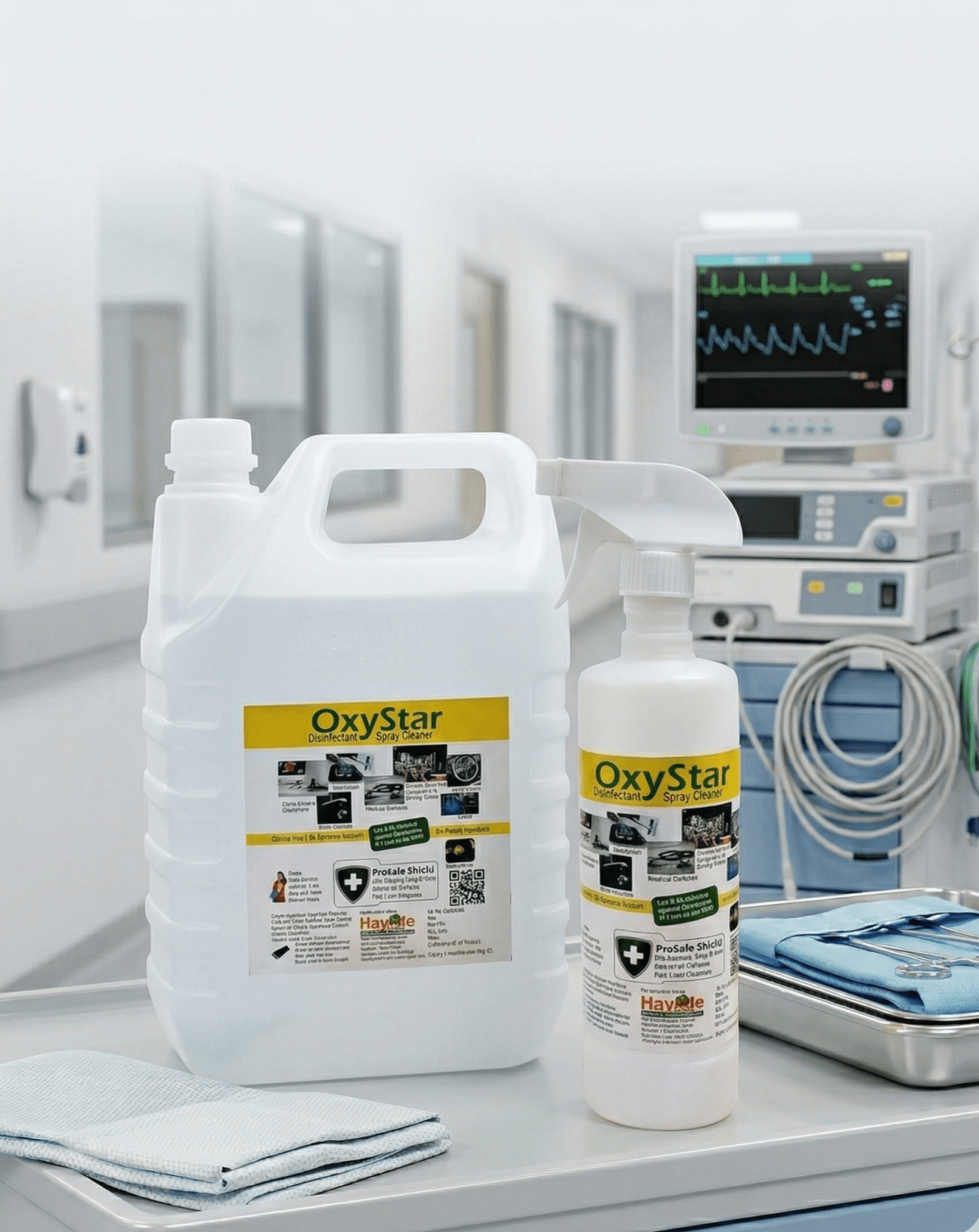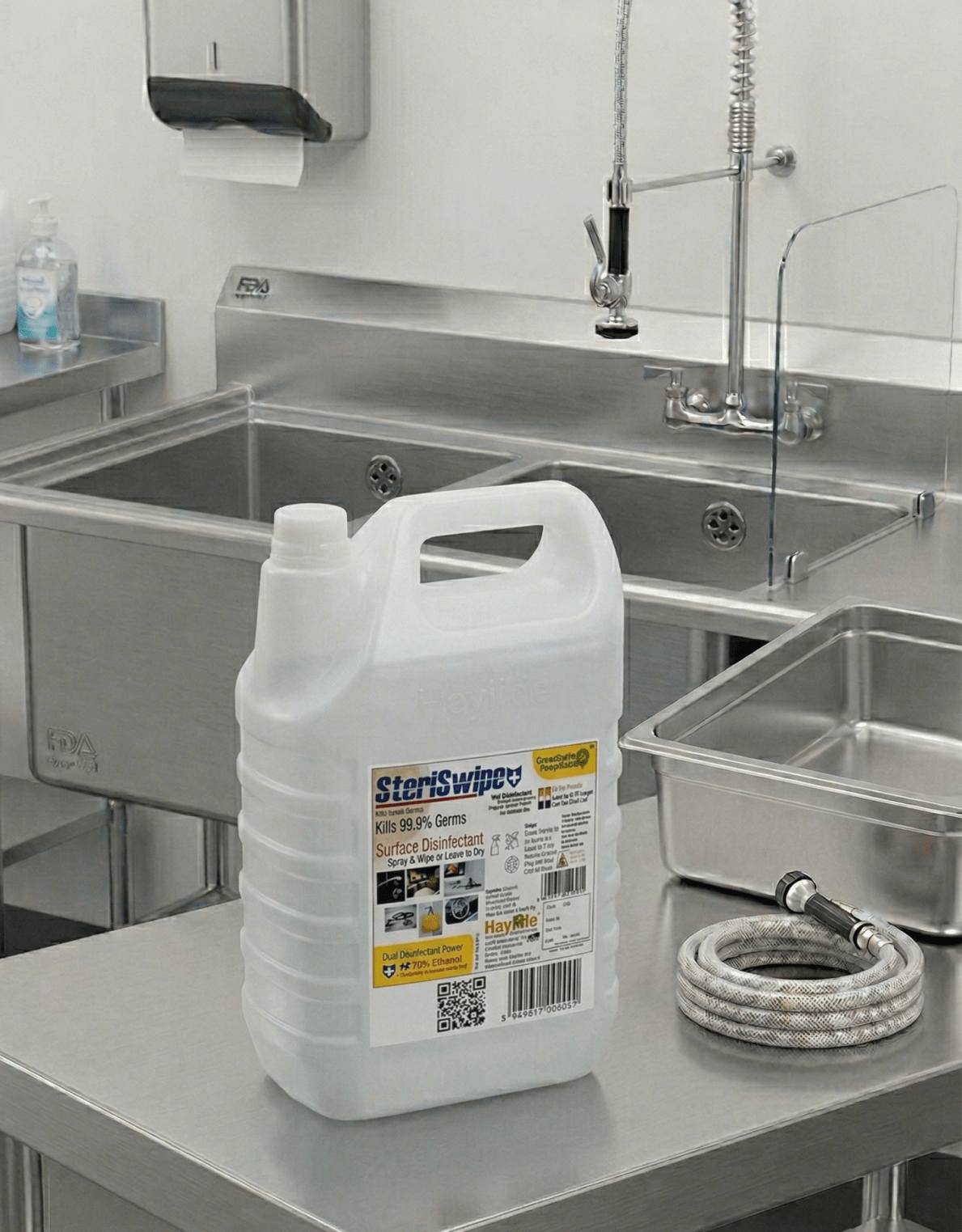
Hospital Housekeeping Disinfection
& Critical Hygiene Range
Disinfectant Molecules -
(GRAS | US EPA | WHO)

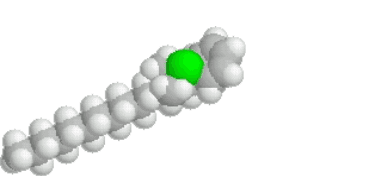
Benzalkonium Chloride
Biocidal Activity:
Disruption of inter molecular interactions. This can cause dissociation of cellular membrane lipid bilayers, which compromises cellular permeability controls and induces leakage of cellular contents.
Efficacy:
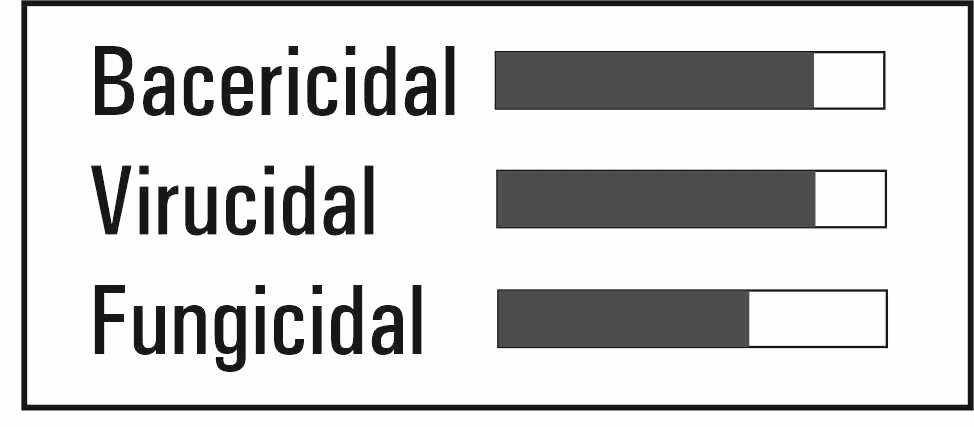
Gram positive & negative bacterial including MRSA strains at 50 to 500 ppm.
Viruses such as H1N1, HIV, Hepatits B & SARS at 1800-2000 ppm.
Fungi & Yeasts MIC is 2500 ppm.
Safety:
Used Widely in Opthalmic Eye Solutions as preservative & skin Contact products like Medicated Strips for many years. It is even approved as a no Rinse Food Surface Cleaner at up to 250 ppm by US FDA. It is one of the safest anti microbial in current use in the world.


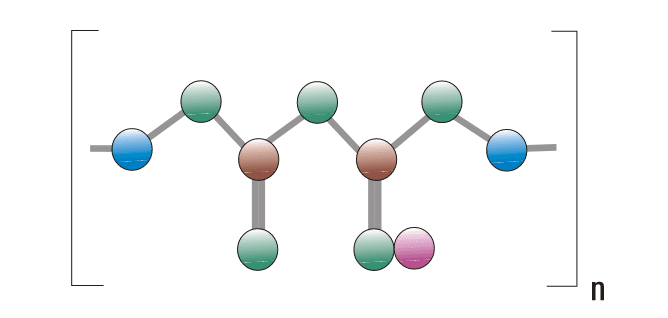
Polyhexamethylene Biguanide
Biocidal Activity:
It has a unique method of action: the polymer strands are incorporated into the bacterial cell wall, which disrupts the membrane and reduces its permeability, which has a lethal effect to bacteria. It is also known to bind to bacterial DNA, alter its transcription, and cause lethal DNA damage.
Efficacy:
Microorganism MIC (ppm)
Escherichia coli 5
Pseudomonas aeruginosa 100
Pseudomonas putida 25
Bacillus subtilis 5
Staphylococcus aureus 1
Streptococcus faecalis 25
25Aspergillus niger 750
Endomycopsis albicans 300
Saccharomyces cerevisiae 100
H1N1 Virus 2000
Safety:
PHMB has very low toxicity to
higher organisms such as human cells, which have more complex and protective membranes.
PHMB is approved for use as a
non Rinse Food Contact Disinfectant
by US EPA at 550 ppm.


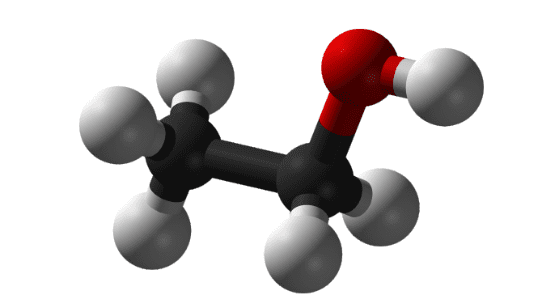
Ethanol
Biocidal Activity:
Little is known about the specific mode of action of alcohols, but based on the increased efficacy in the presence of water, it is generally believed that they cause membrane damage and rapid denaturation of proteins, & subsequent interference with metabolism and cell lysis.
Efficacy:
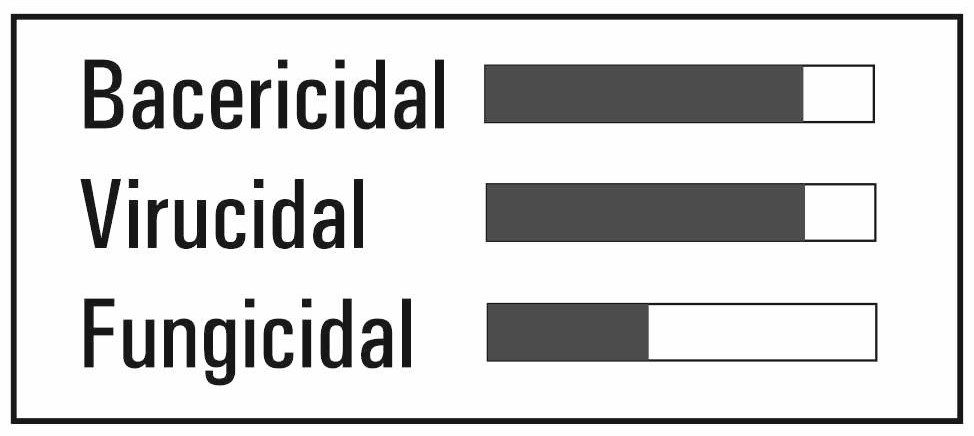
Ethanol exhibits rapid broad- spectrum antimicrobial activity against vegetative bacteria & mycobacteria, viruses, and fungi. Ethanol is effective against almost all species at over 62% - 70% & above & is preferred in hospitals.
Safety:
Ethanol is Biodegradable Eco friendly naturally derived from grain & has very low inhalation & oral toxicity compared to synthetically produced highly toxic n-propanol. Ethanol is more potent than propanol on viruses even though propanol is slightly more potent on bacteria but since our products use a combination with Benzalkonium Chloride this is taken care of.
# Ethanol above 62% active against Hep B & H1N1 as per Lab tests.


Hospital Hygiene: Global Standards
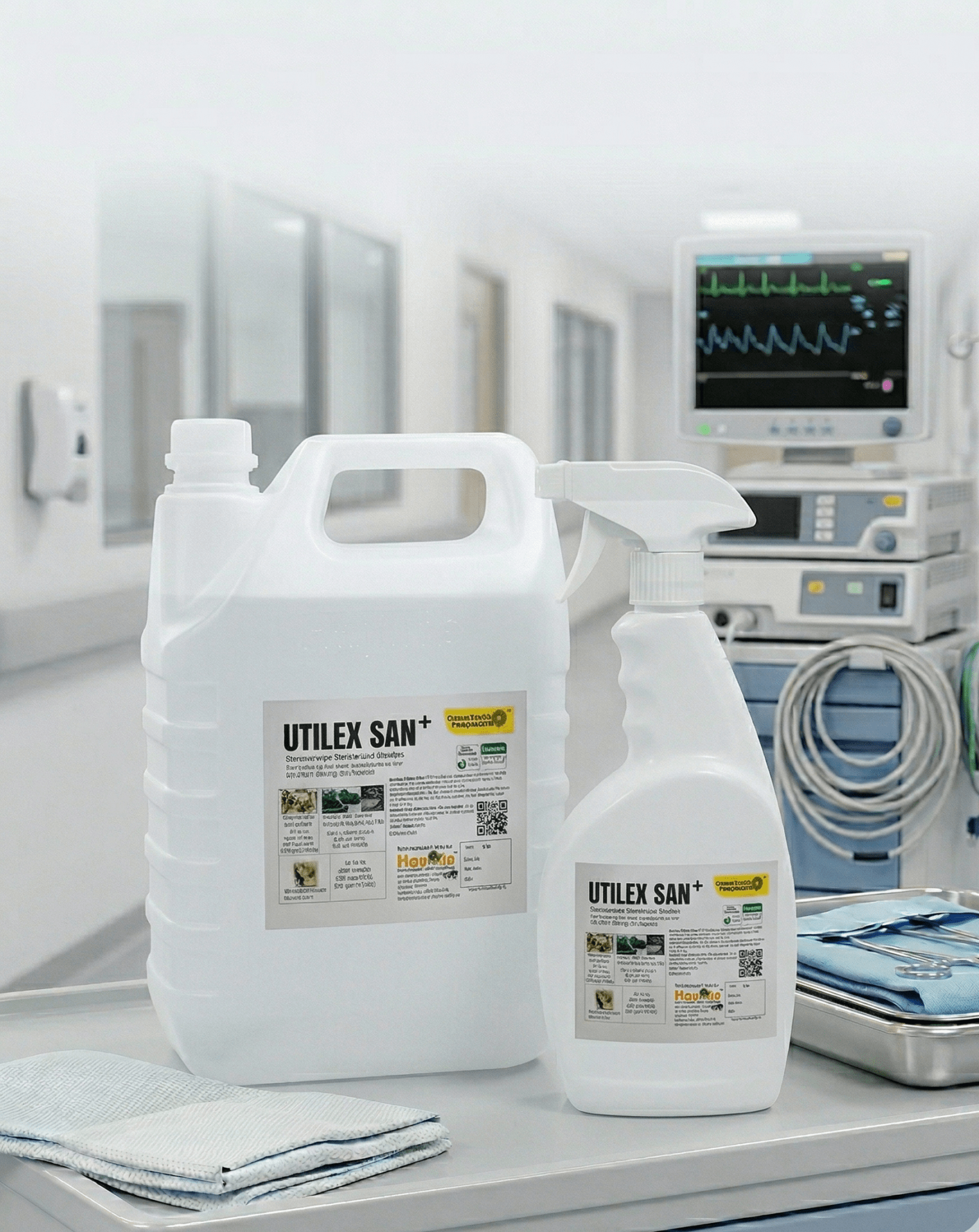
Complete Range of Disinfection & Cleaning Products that adhere to EU, WHO, US FDA, US EPA norms for Disinfection molecules, their efficacy & Safety limits.
Meet NABH standards
All Products with Disinfection manufactured under FDA License. Using these products in proper manner will give full spectrum disinfection & give consistent Hygiene at par with meeting NABH norms.
Housekeeping with Hospital Grade Disinfection
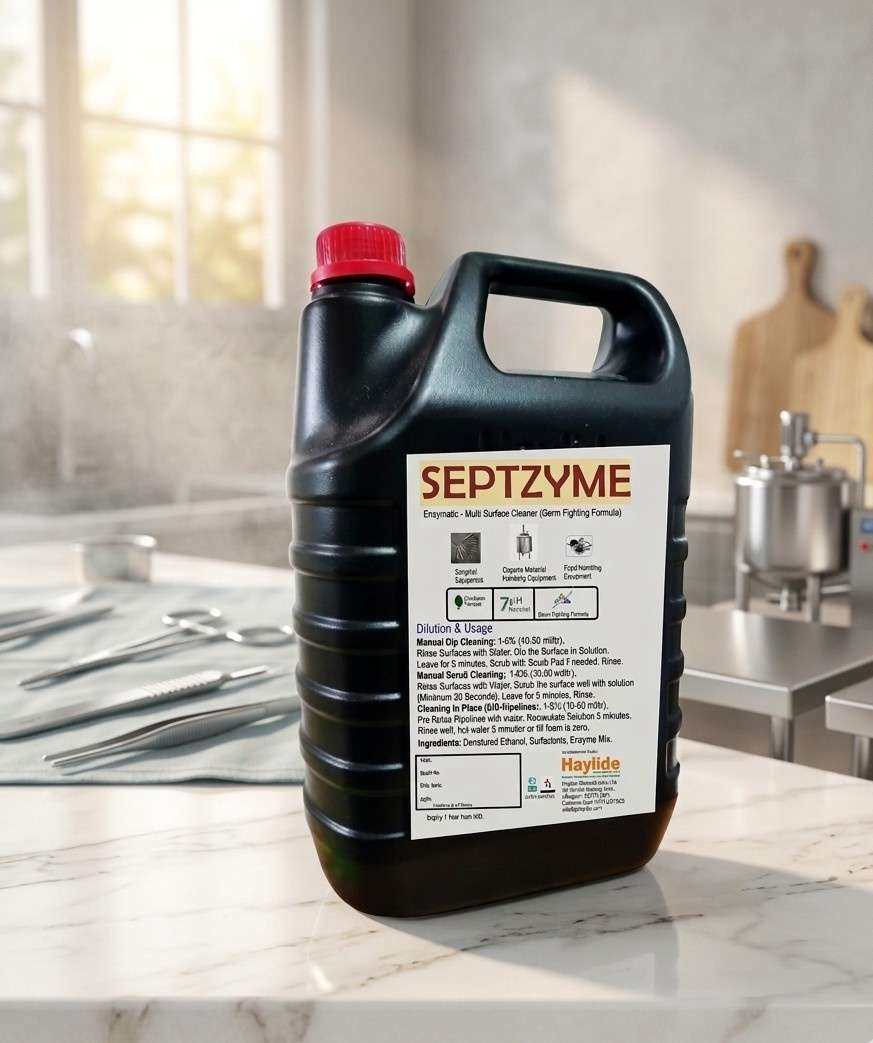
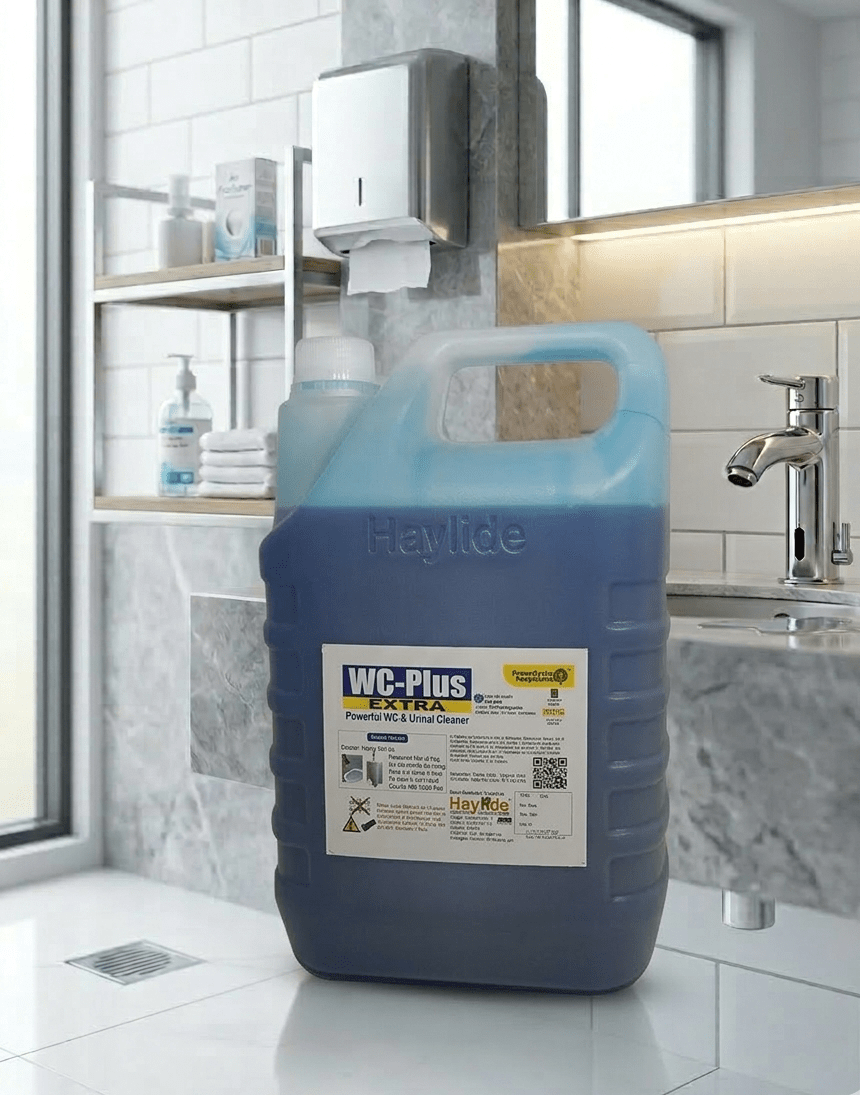
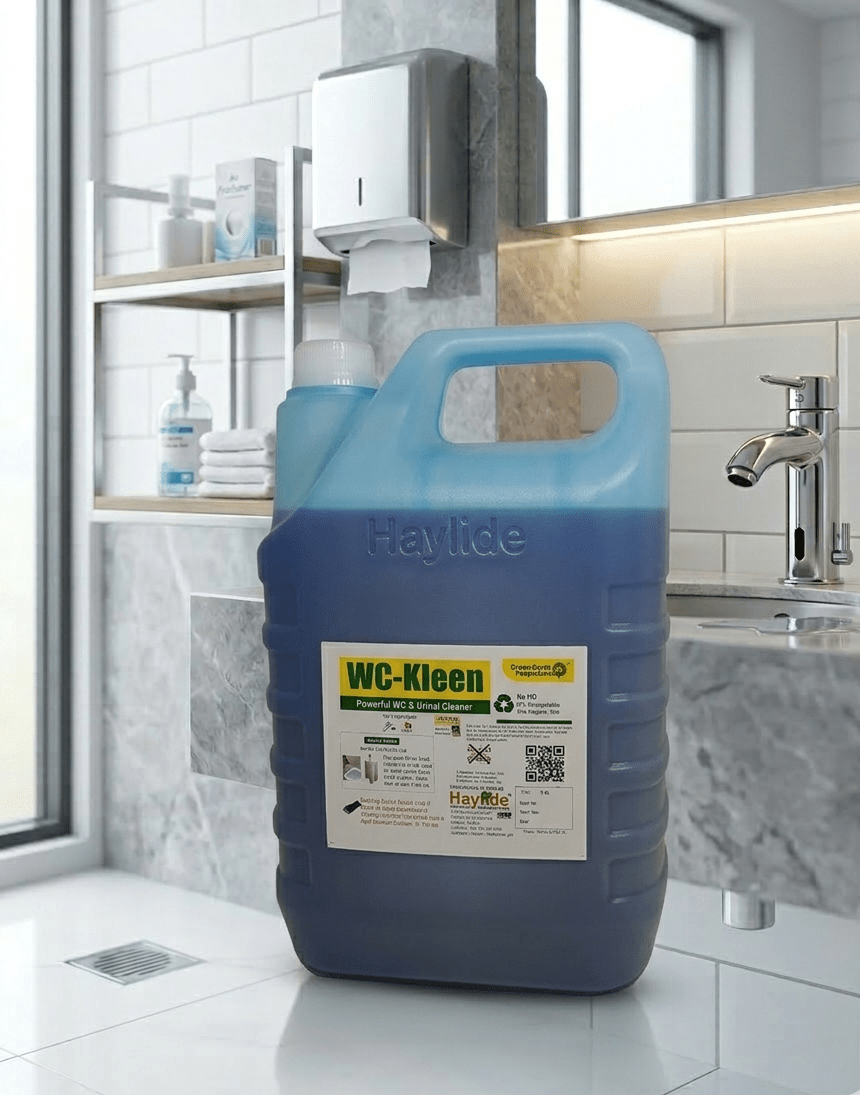
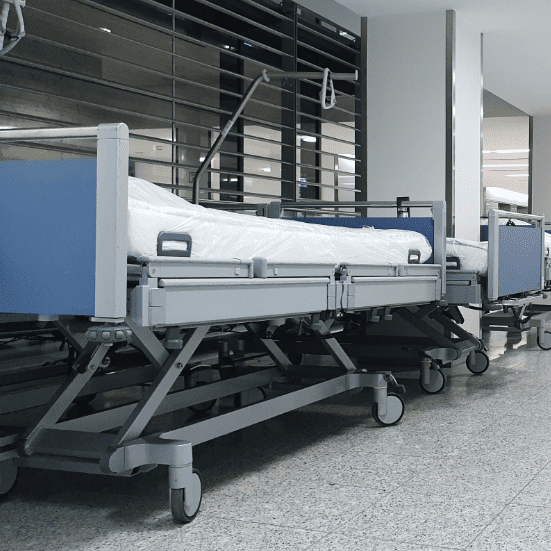
Even the Housekeeping products like General Area Floor & multi surface cleaners, Washroom cleaners contain Disinfectiants and are also made under FDA License ensuring that apart from critical areas, entire hospital has much lower microbial load.
Meet Complete Hospital Hygiene Needs
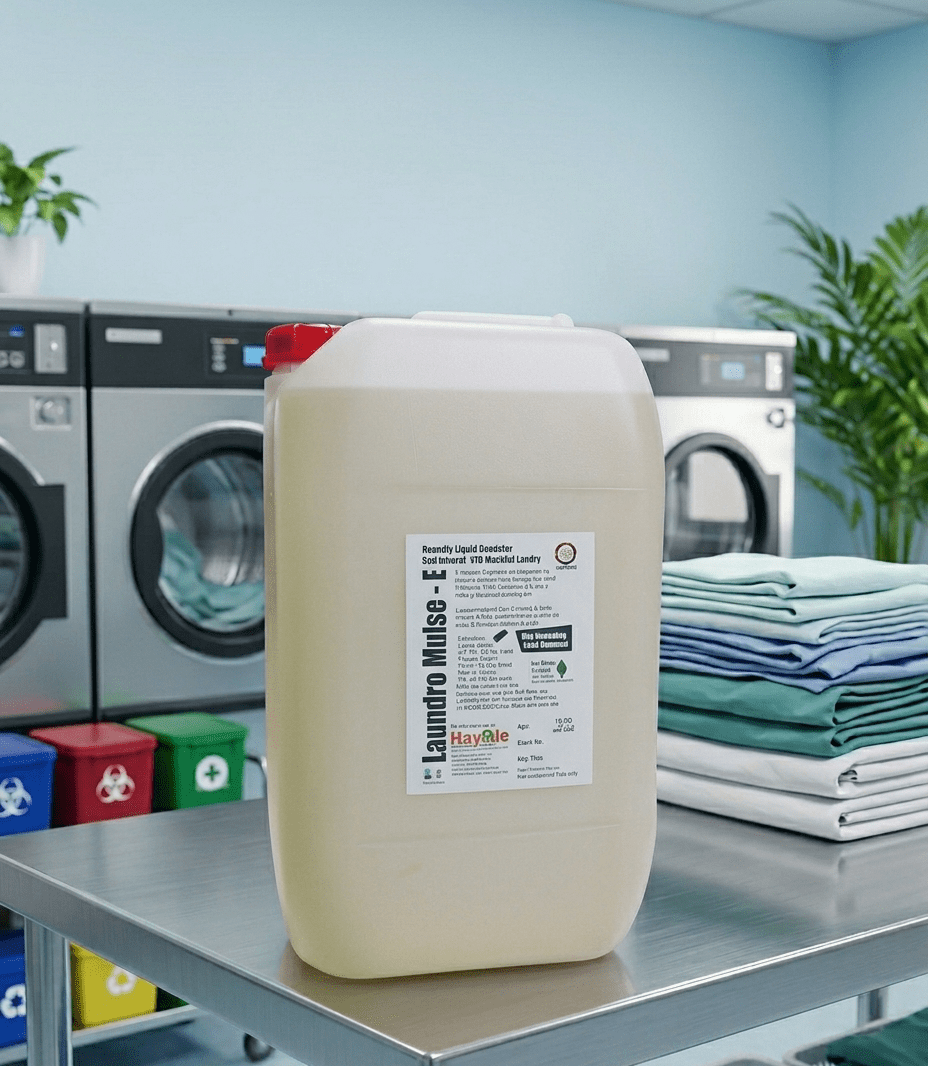
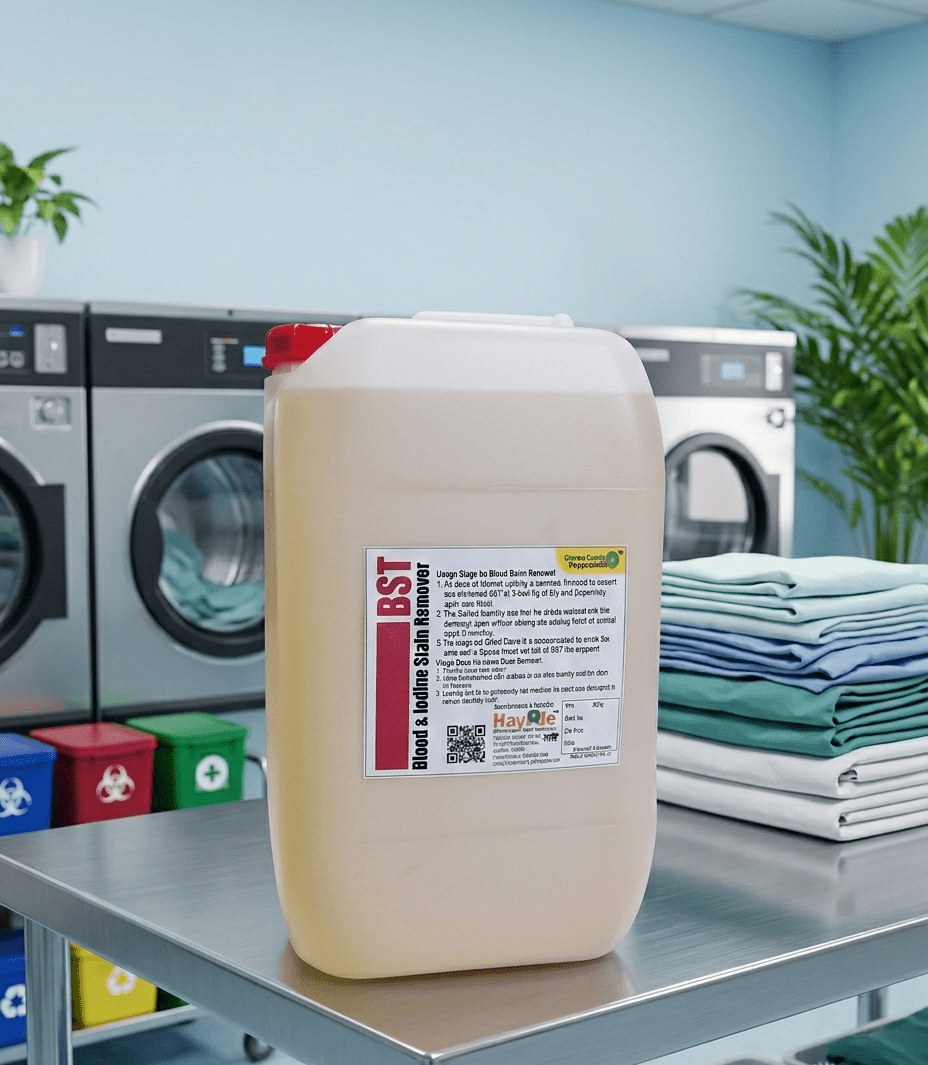
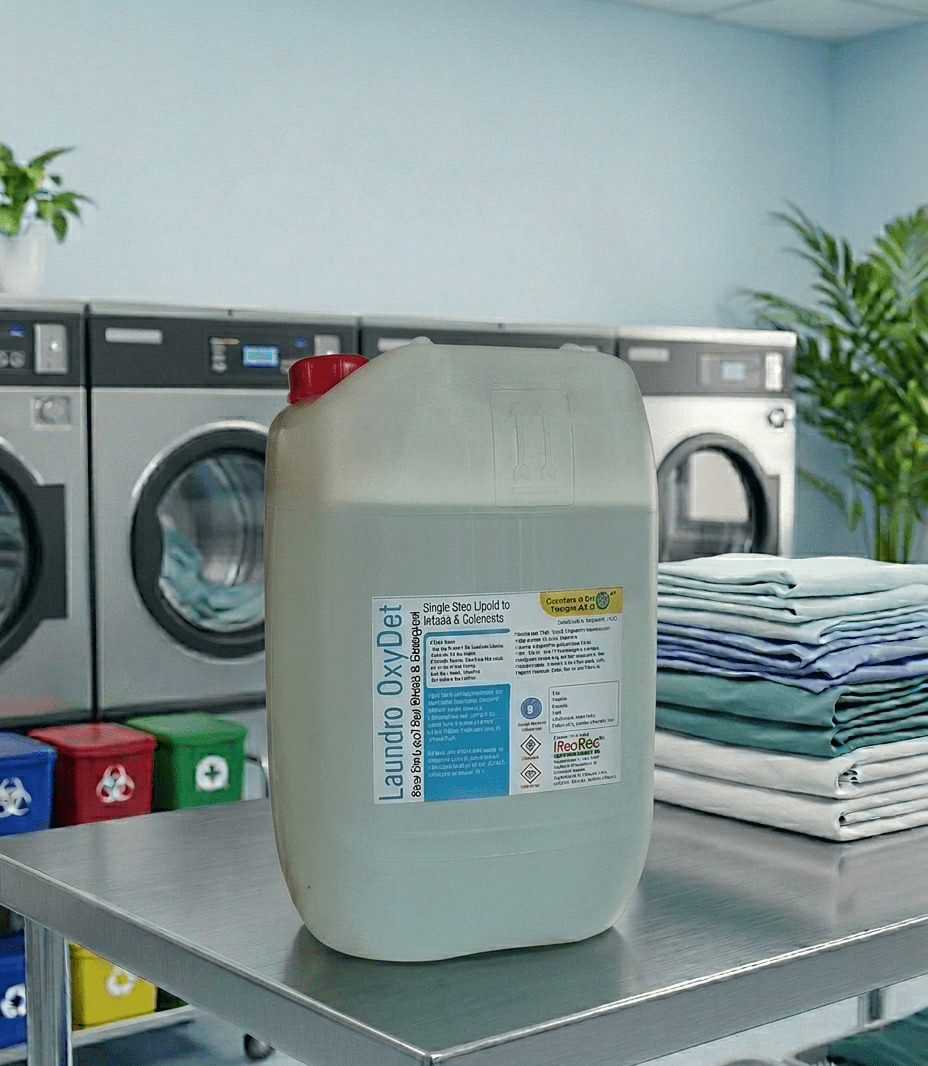
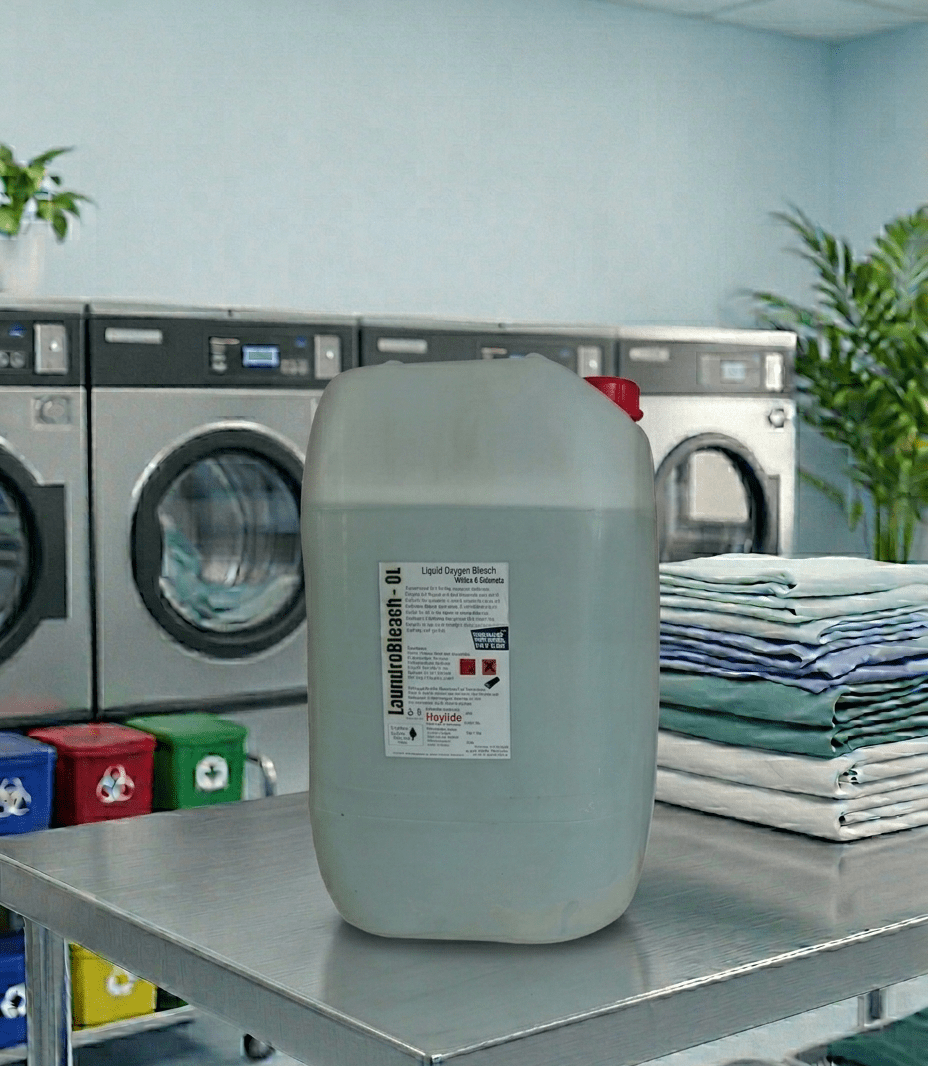
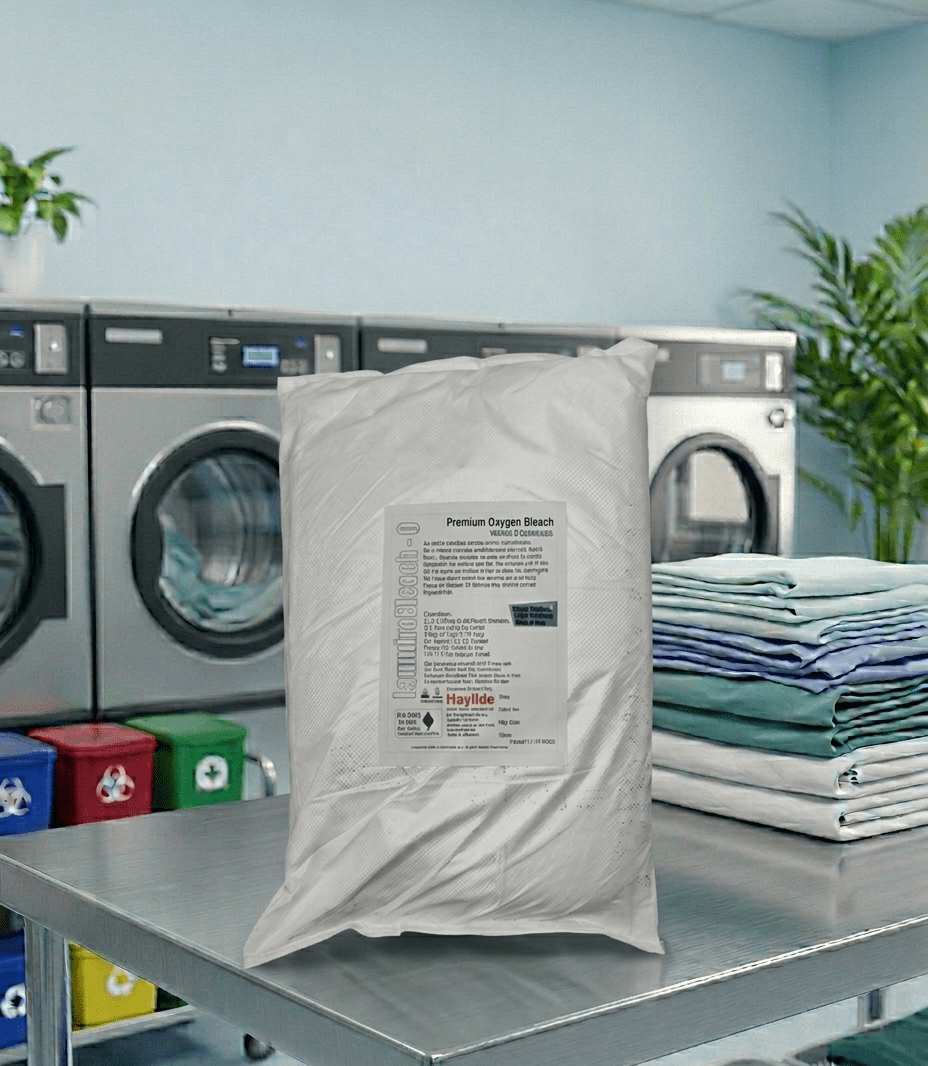
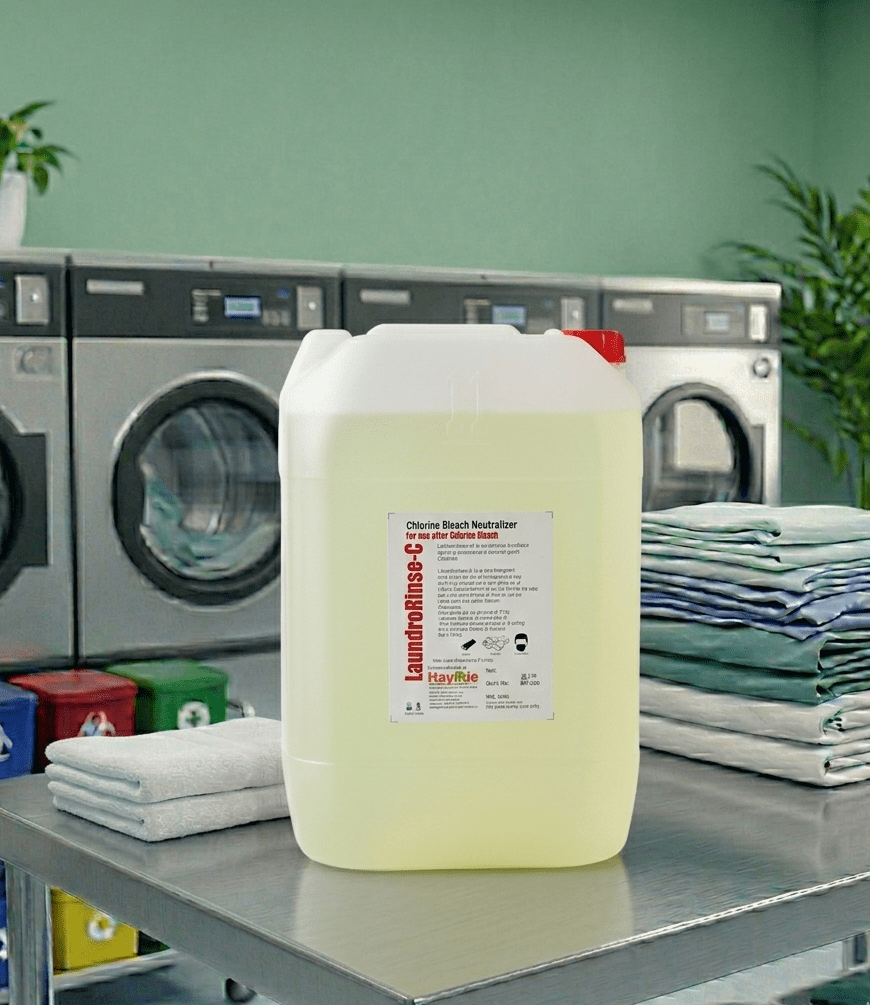
From Doctors & Medical Staff Hand Hygiene to Laundry
Washing, from OT/ICU to reception, from Incoming Food items to Patient Bedside, Haylide offers more than 120 products to cover the complete needs of Hospital Hygiene, with the
advantage of being Green & Eco Friendly.
Disinfectant Molecules (GRAS | US EPA | WHO)

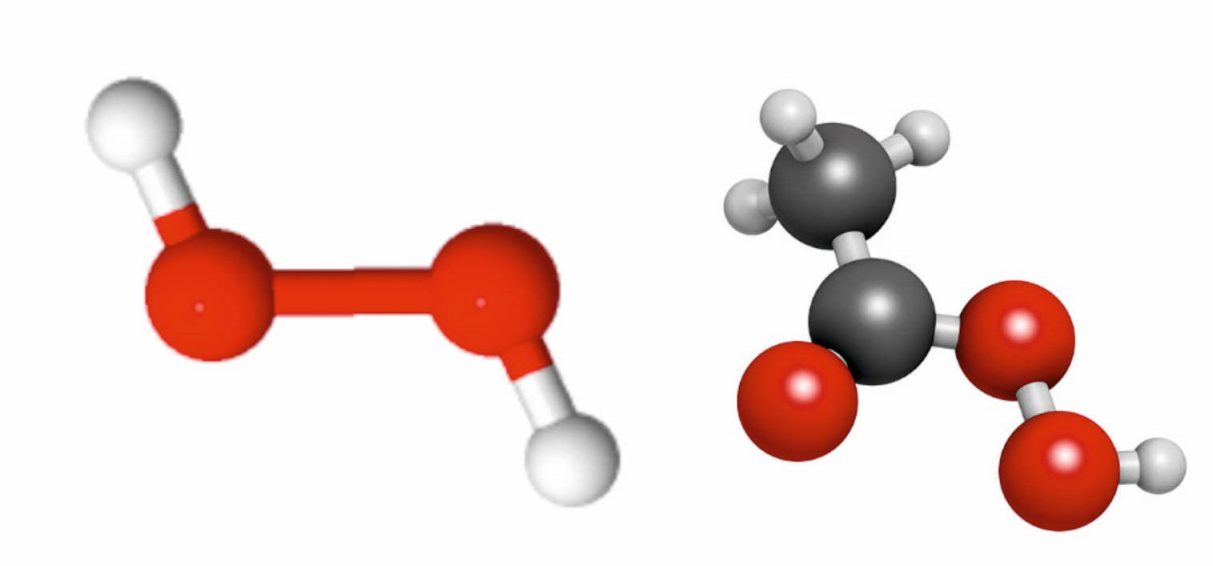
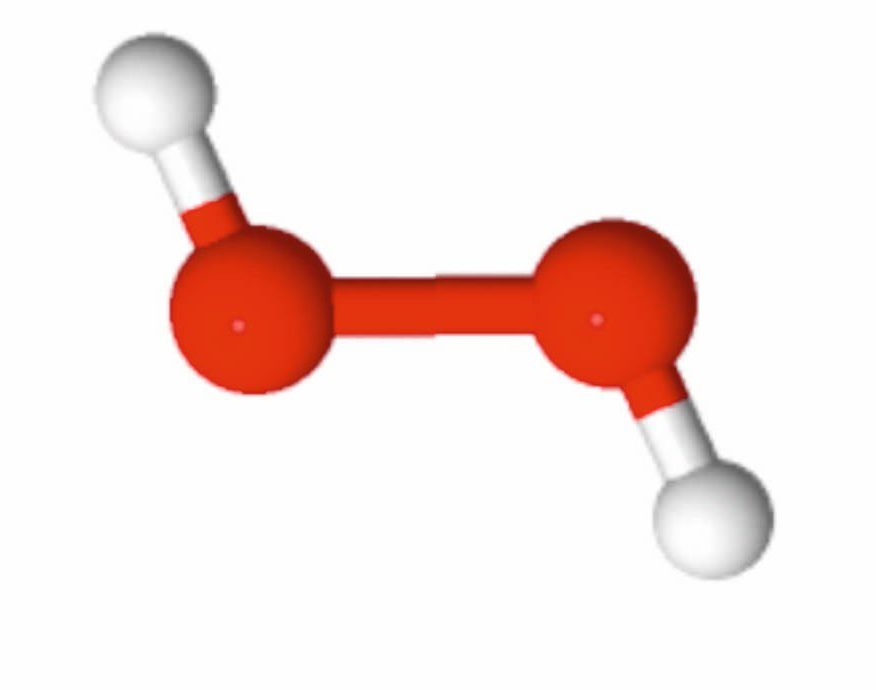
Hydrogen Peroxide
Hydrogen peroxide, stands out as an exceptional choice for hospital disinfection, targeting a wide array of microorganisms, including bacteria, viruses, fungi, and spores. Hydrogen peroxide attacks essential cellular components of pathogens, leading to rapid destruction. Effective against Gram-positive and Gram-negative bacteria. This includes hospital pathogens like MRSA and VRE.
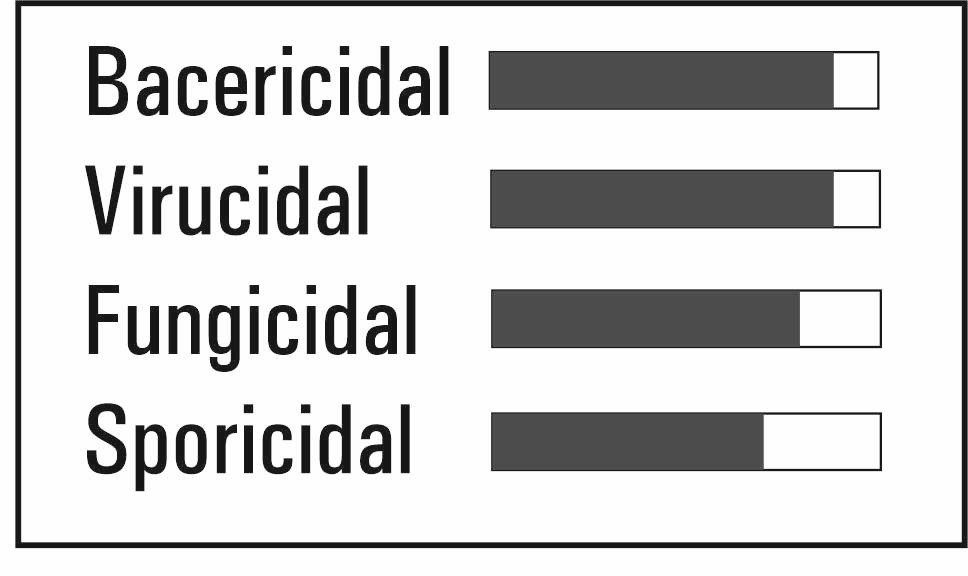
Hhydrogen peroxide demonstrates remarkable virucidal capabilities, including
efficacy against enveloped viruses such as Influenza and Coronaviruses. Its action against fungi and yeast pathogens further broadens its utility in a hospital setting, where fungal infections can pose a significant challenge.
Critically, hydrogen peroxide exhibits strong sporicidal activity, a feature essential in combating hardy bacterial spores, often implicated in hospital outbreaks.
Minimum Inhibitory Concentrations (MIC), hydrogen peroxide is effective at low concentrations, often ranging from 0.5% to 3% for general disinfection purposes.
However, these values can vary based on the specific microorganism and environmental conditions. This low concentration requirement, coupled with its decomposition into harmless byproducts (water and oxygen), underscores its appeal as an eco-friendly and safe disinfectant


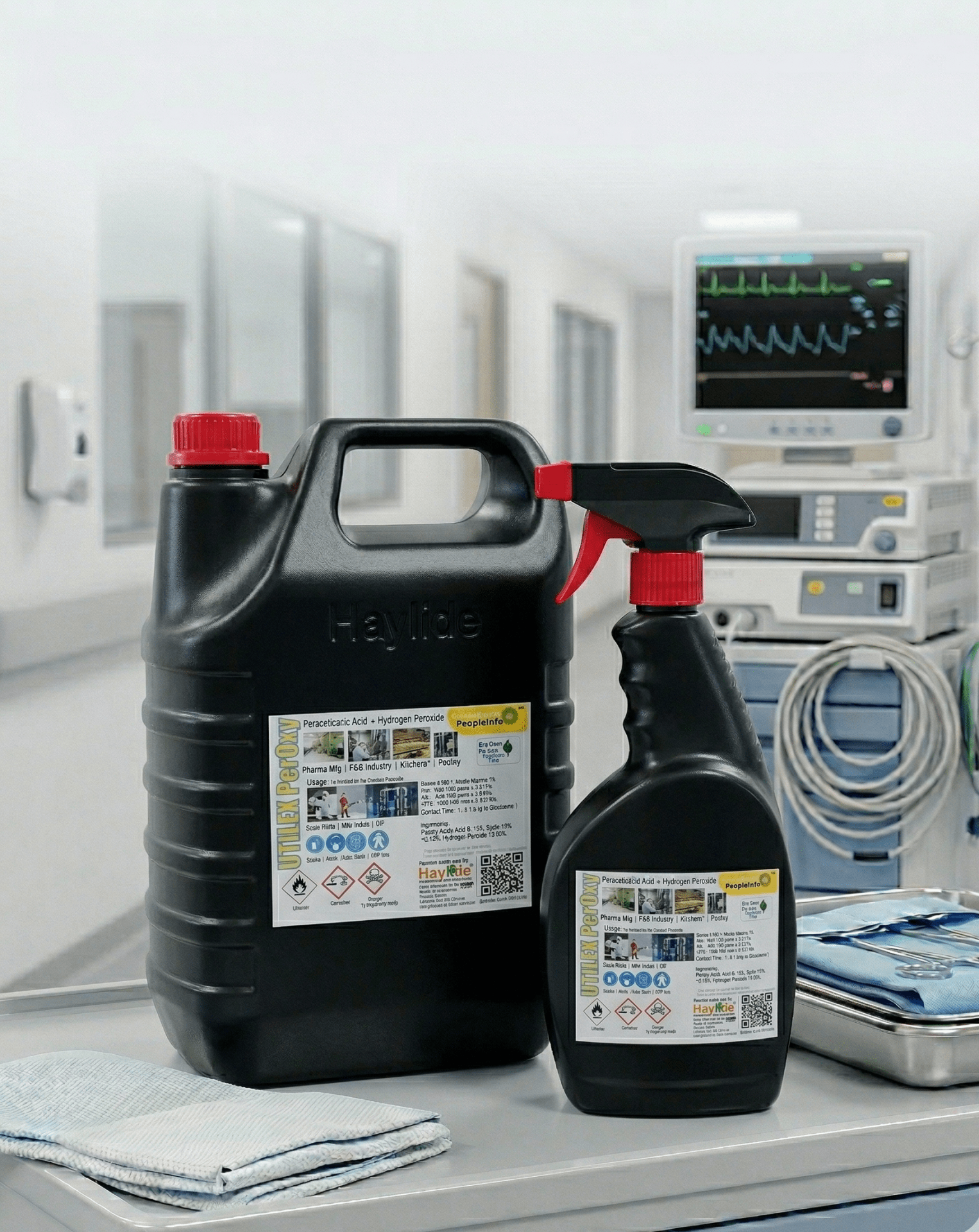
Hydrogen Peroxide + Peracetic acid
Peracetic acid (C2H4O3) is a mixture of acetic acid (CH3COOH) and hydrogen peroxide (H2O2) in a watery solution. It is a bright, colorless liquid that has a piercing odor and a low pH value (2,8). Peracetic acid is produced by a reaction between hydrogen peroxide and acetic acid:
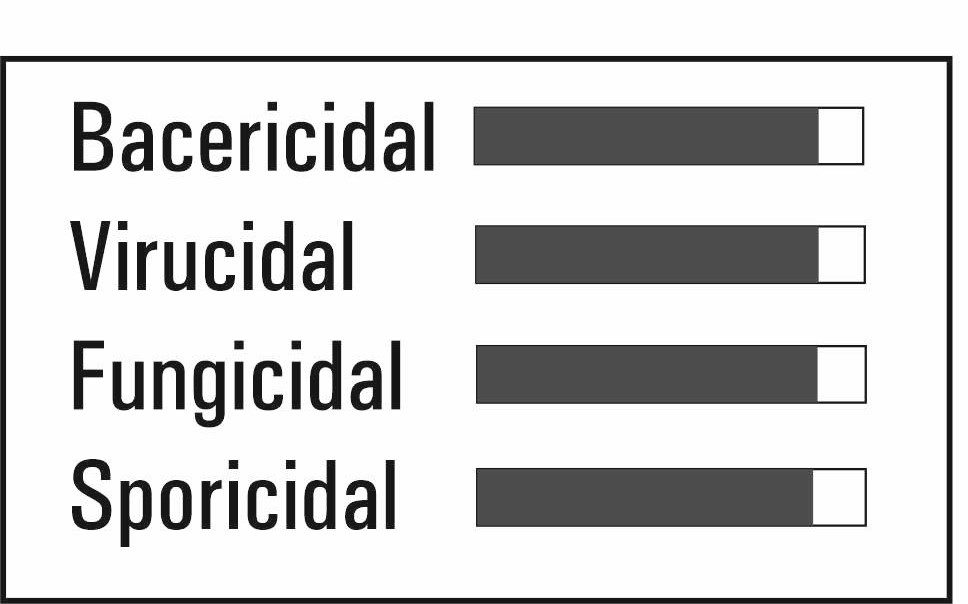
When peracetic acid dissolves in water, it disintegrates to hydrogen peroxide and acetic acid, which will fall apart to water, oxygen and carbon dioxide. Peracetic acid degradation products are non-toxic and can easily dissolve in water. Peracetic acid is a very powerful oxidant; the oxidation potential outranges that of chlorine and chlorine dioxide.
Uses
Peracetic acid is used mainly in the food industry, where it is applied as a cleanser and as a disinfectant. It can be applied during water purification as a disinfectant and for plumbing disinfection. Peracetic acid is suitable for cooling tower water disinfection; it effectively prevents bio film formation and controls Legionella bacteria.
Efficacy & Mechanism
Peracetic acid as a disinfectant oxidizes the outer cell membranes of microorganisms. The oxidation mechanism consists of electron transfer. When a stronger oxidant is used, the electrons are transferred to the microorganism much faster, causing the microorganism to be deactivated rapidly.
Peracetic acid can be applied for the deactivation of a large variety of pathogenic microorganisms. It also deactivates viruses and spores. Peracetic acid activity is hardly influenced by organic compounds that are present in the water. However, pH and temperature do influence peractetic acid activity. Peracetic acid is more effective when the pH value is 7 than at a pH range between 8 and 9. At a temperature of 15 °C and a pH value of 7, five times more peracetic acid is required to affectively deactivate pathogens than at a pH value of 7 and a temperature of 35 °C.

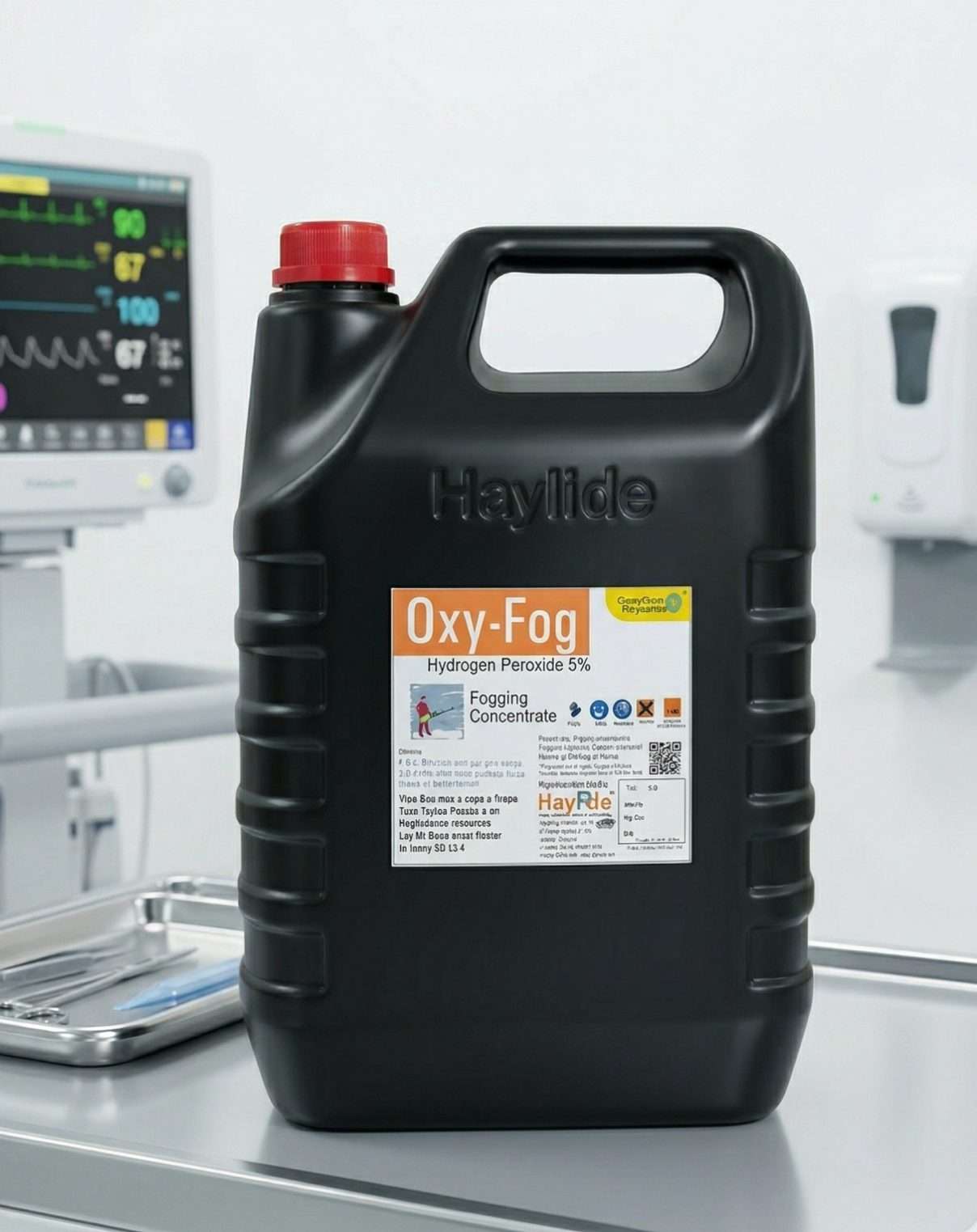
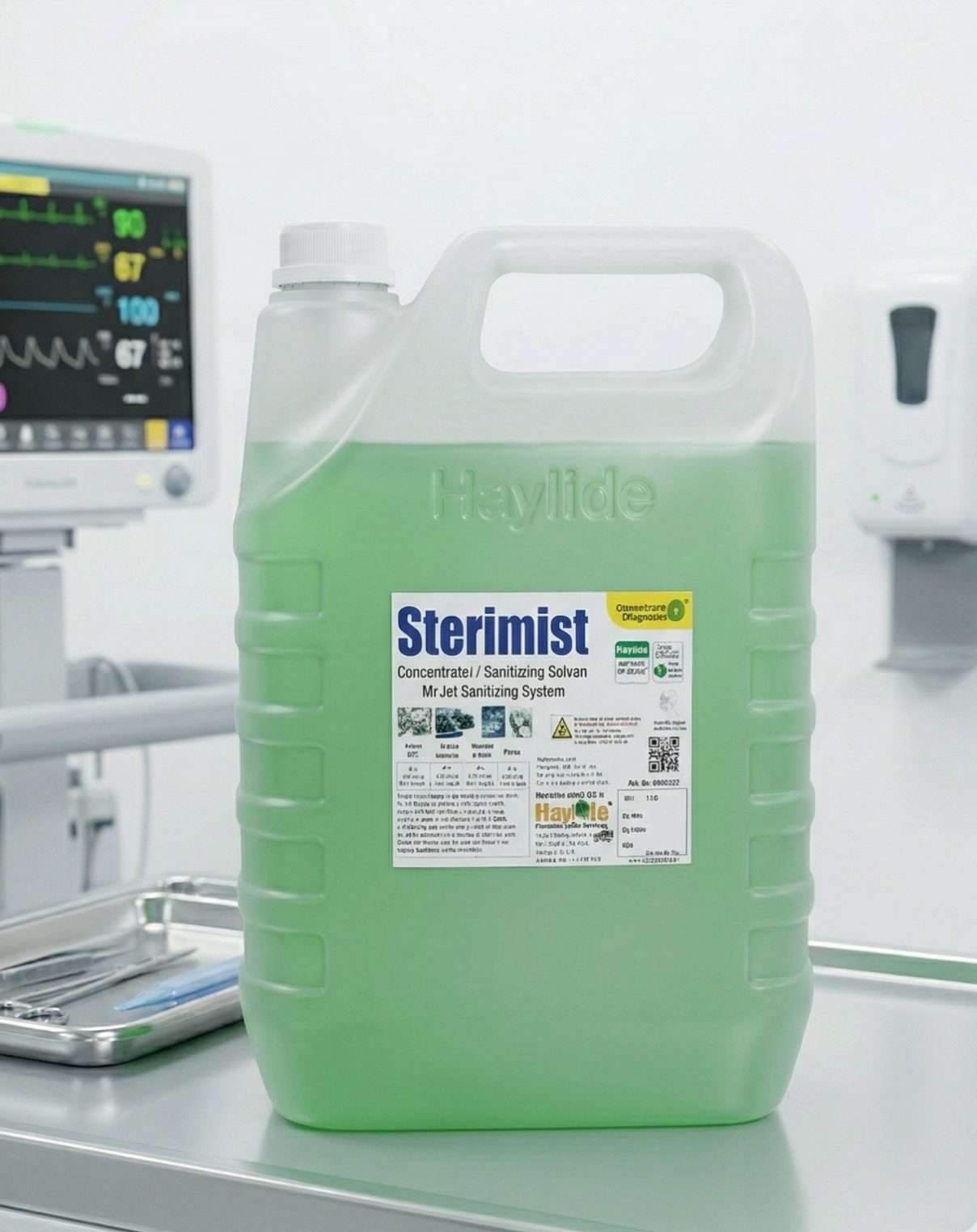
Fogging Disinfection
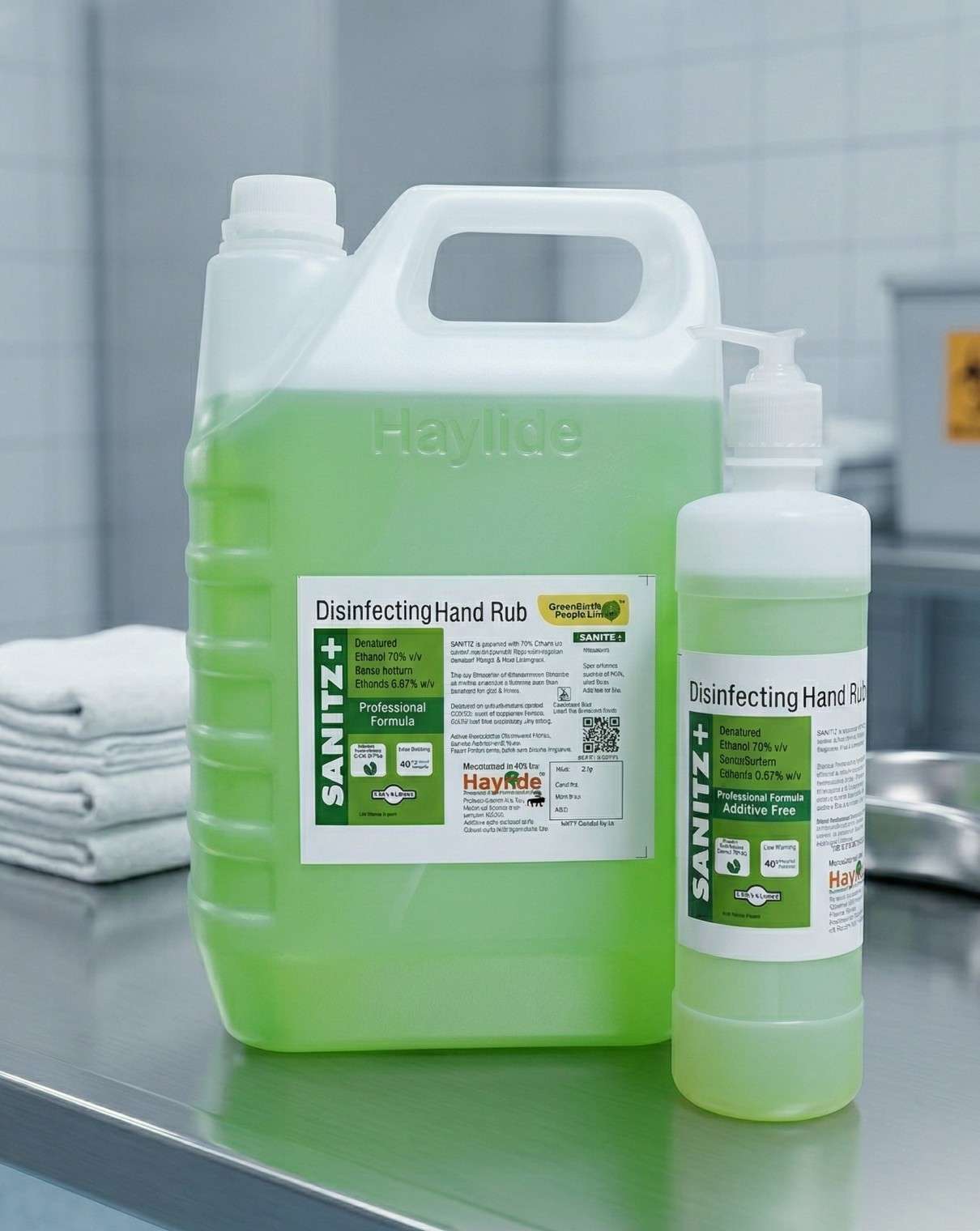
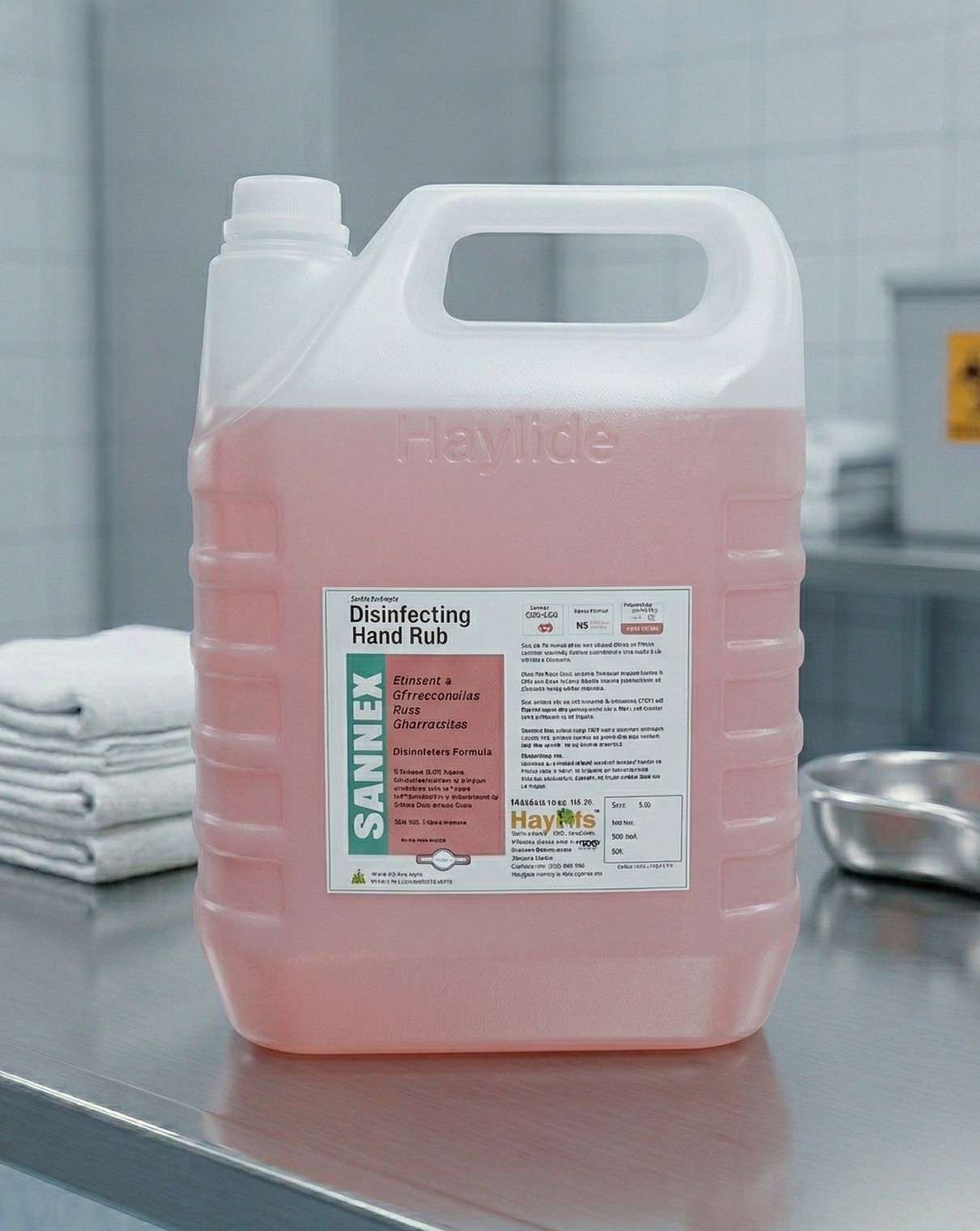
Hand Disinfection
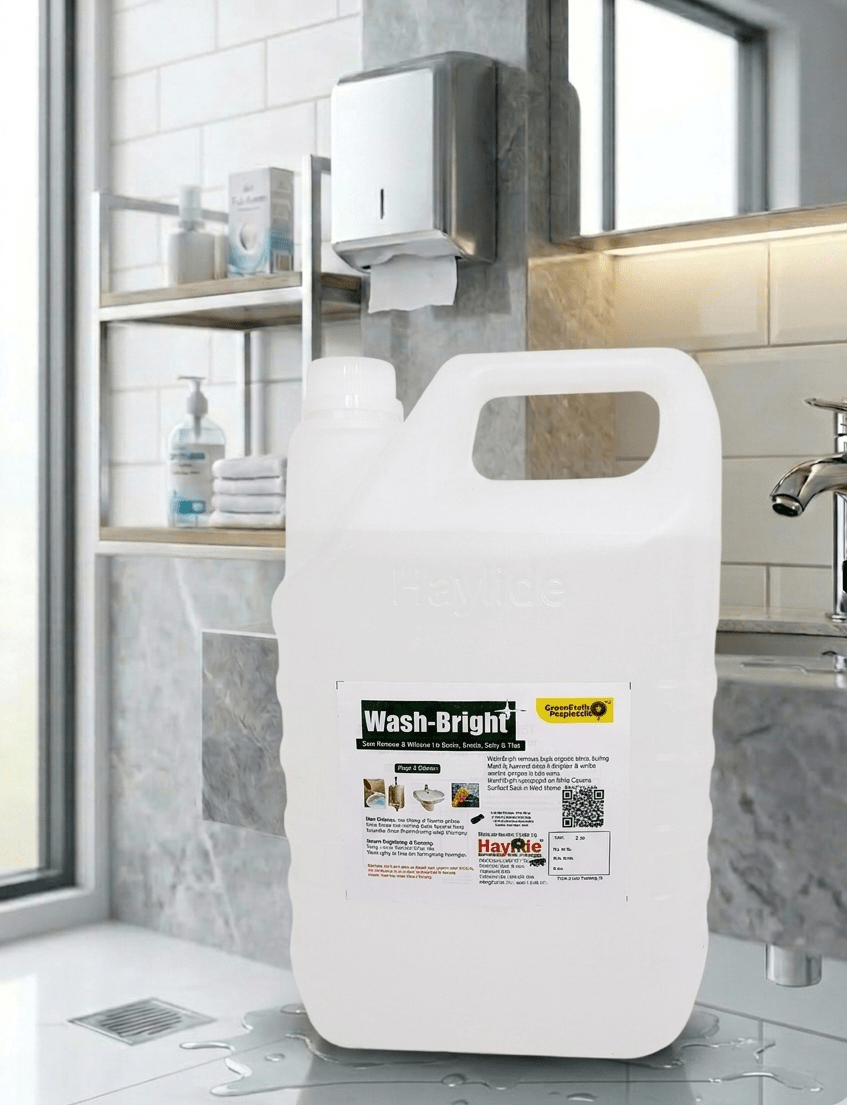
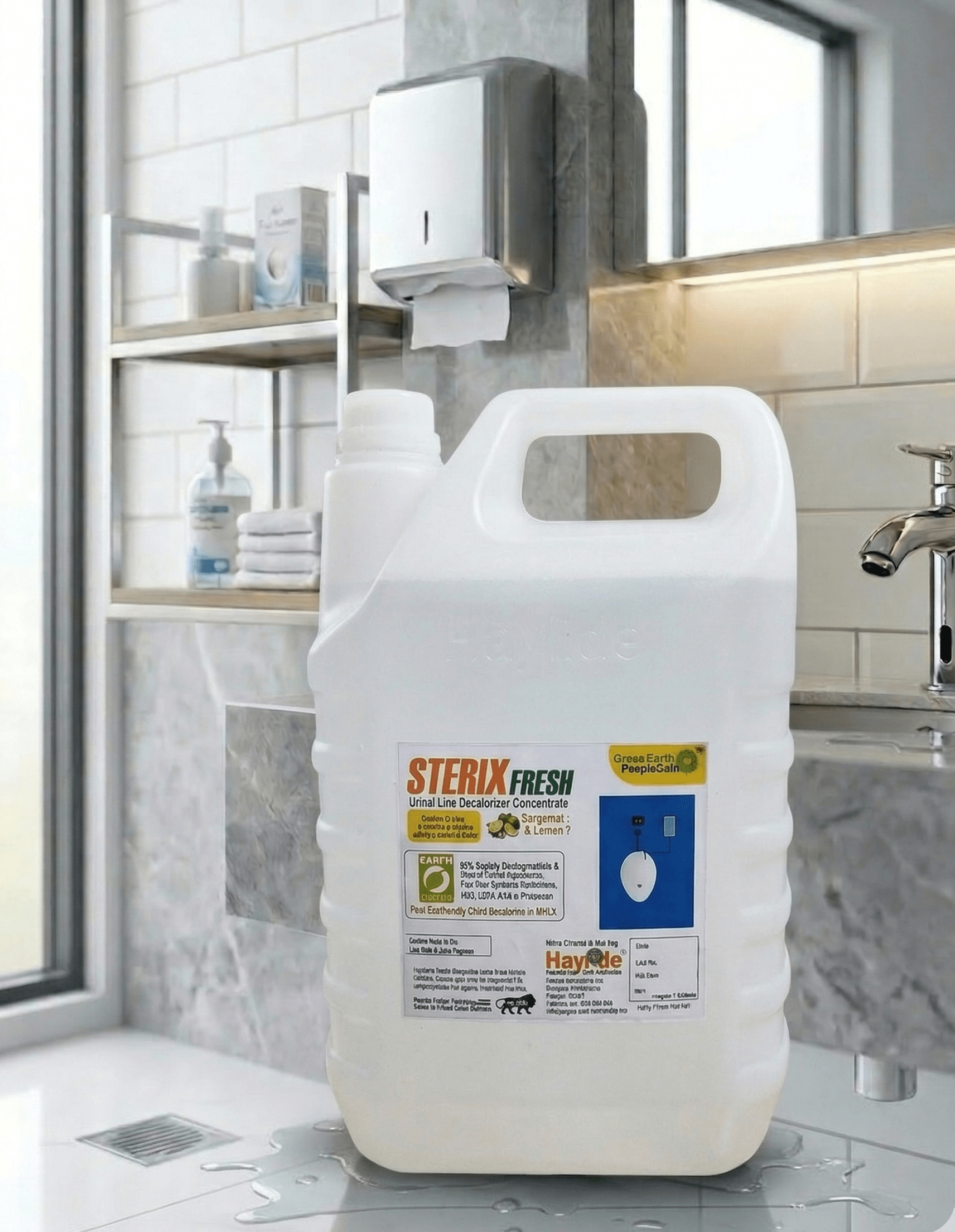
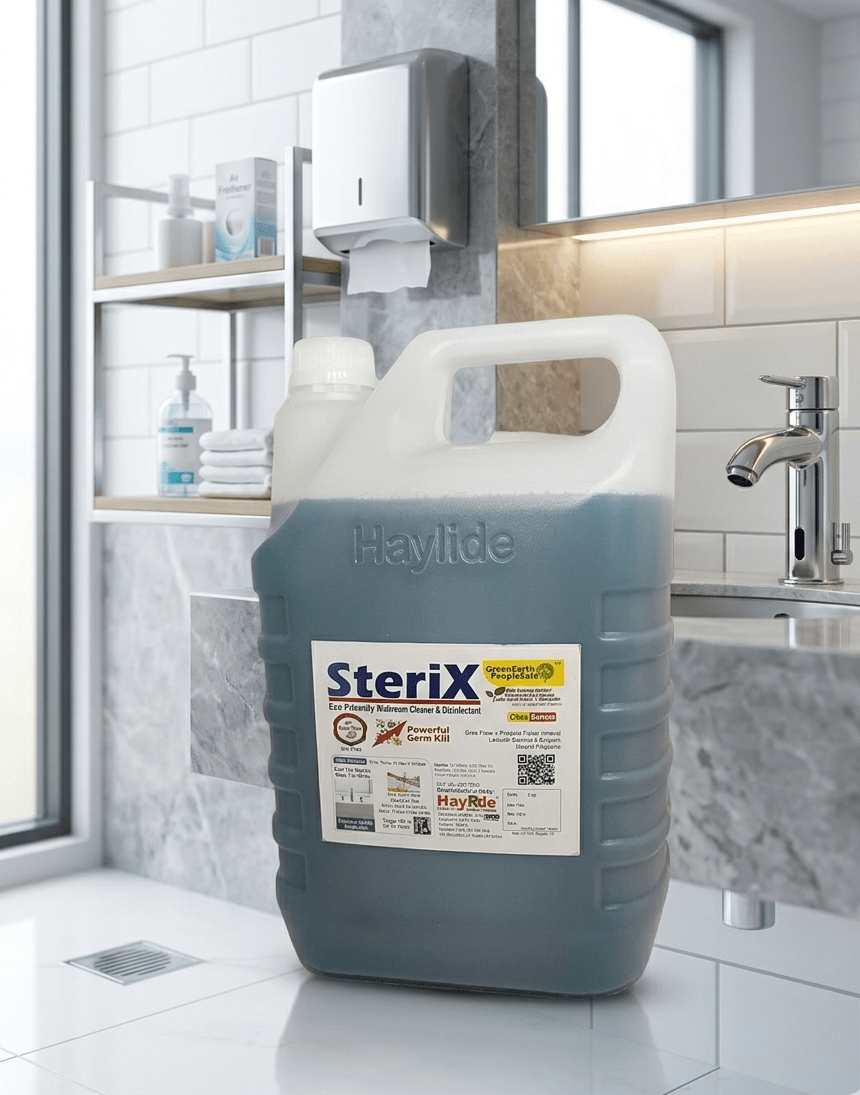
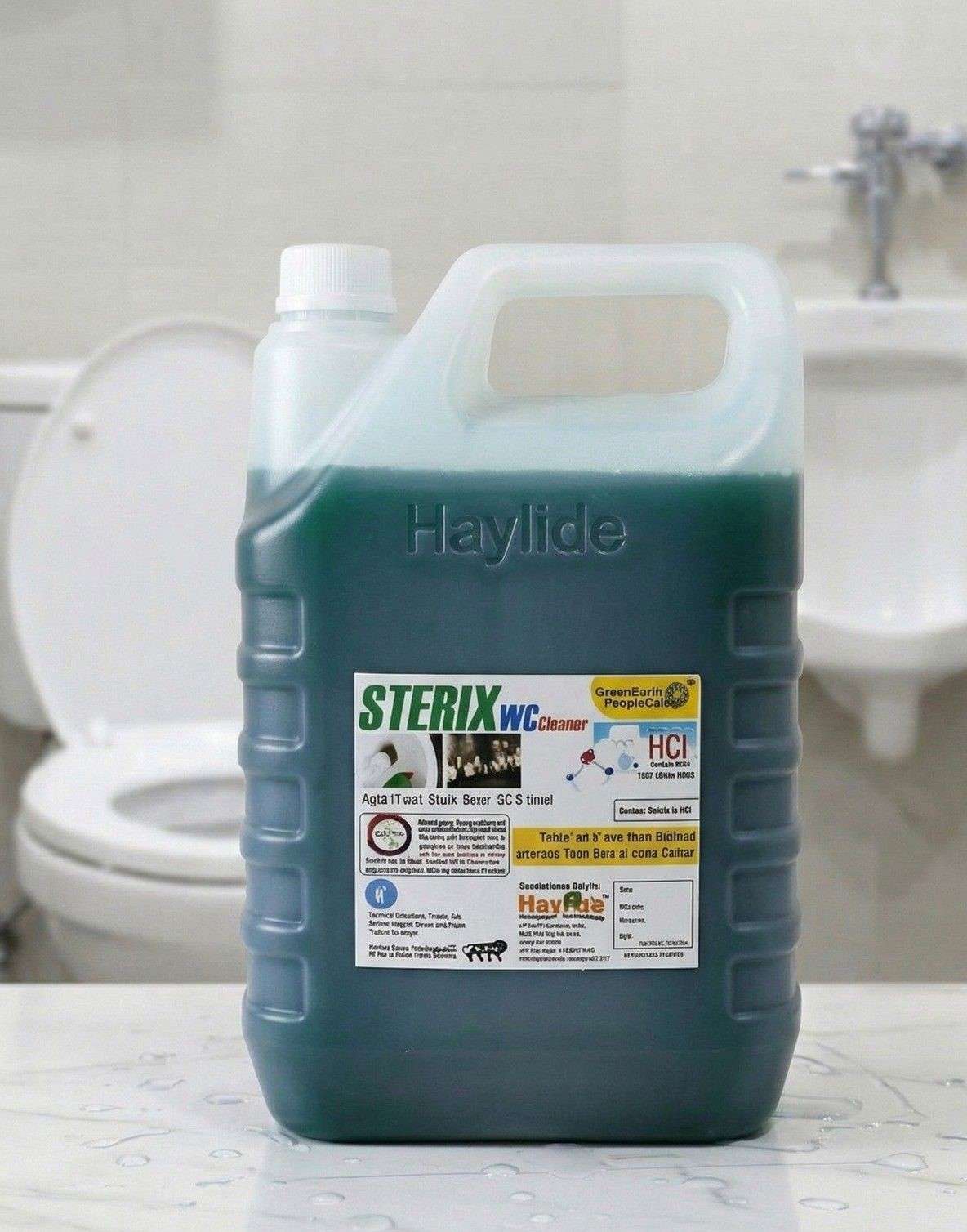
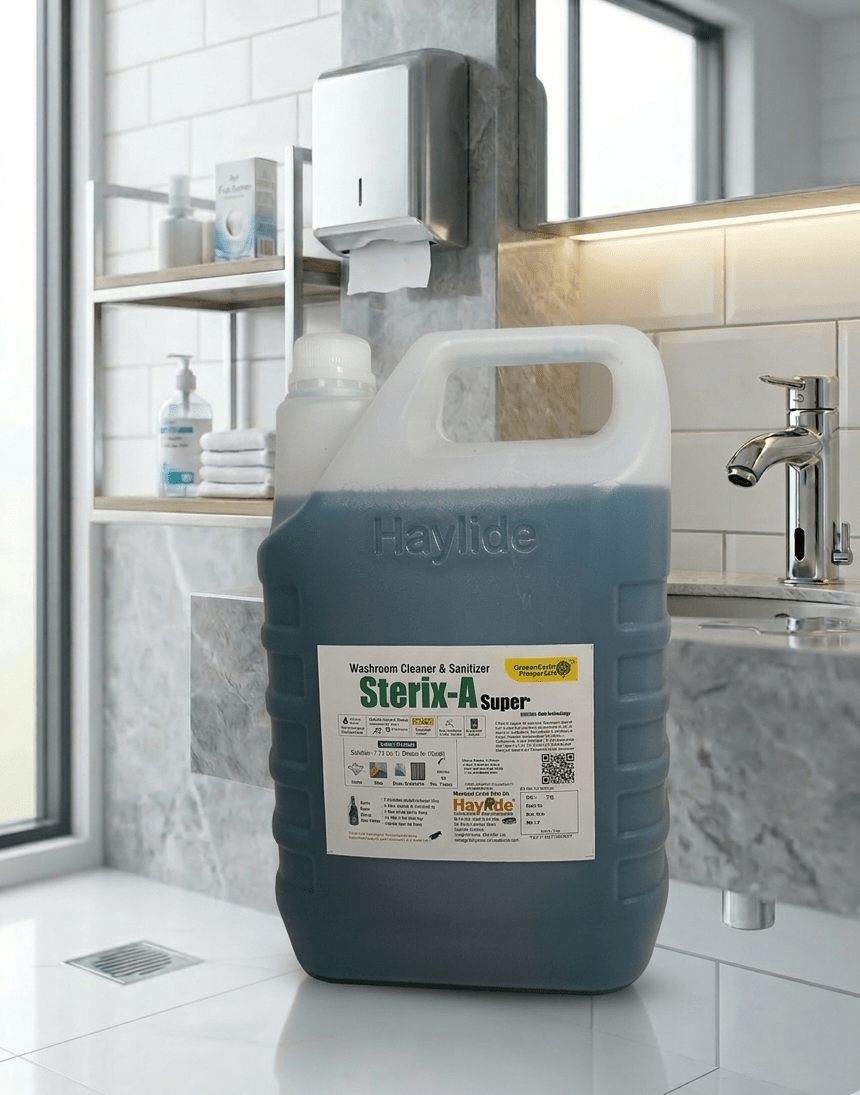
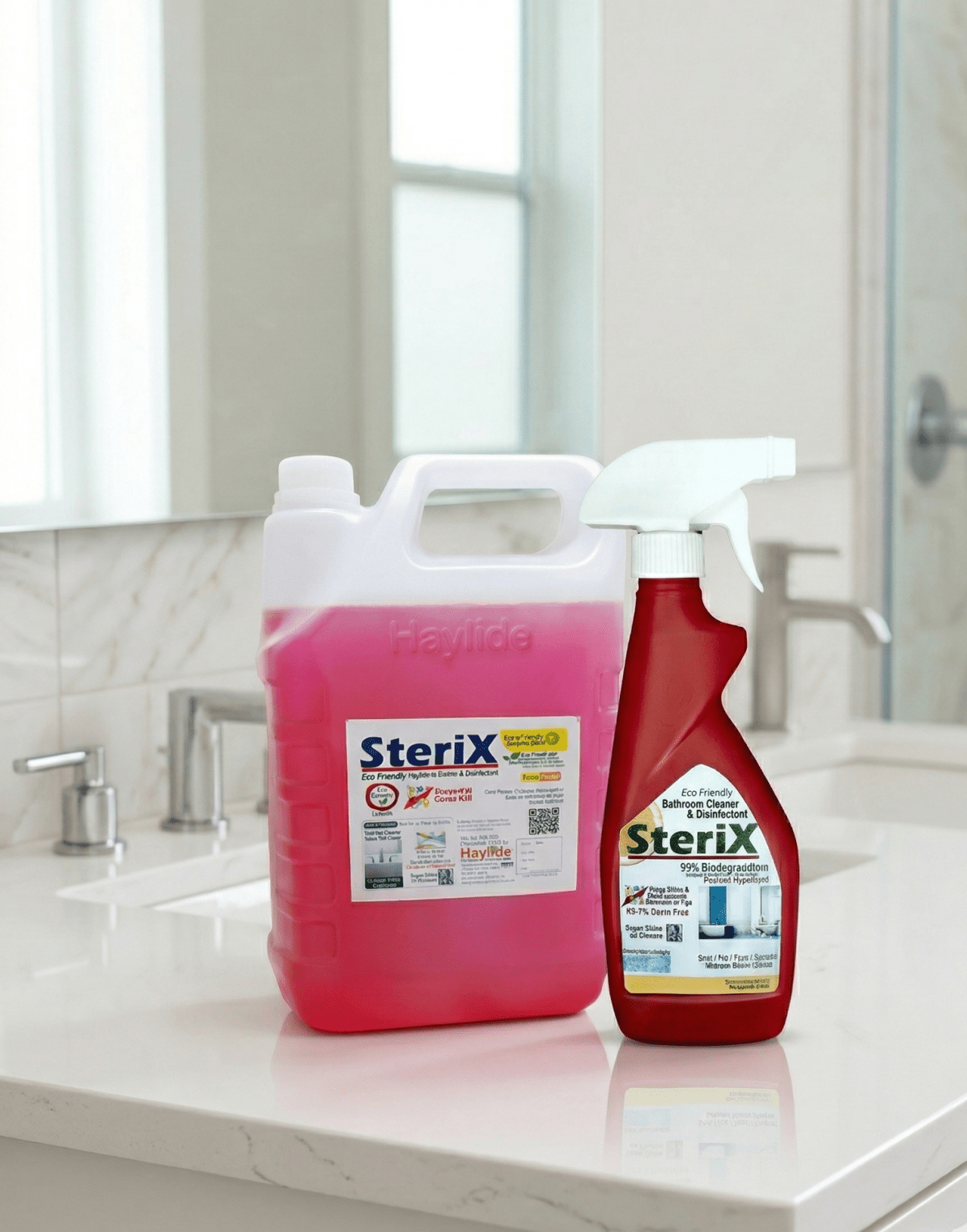
HOUSEKEEPING (Washroom Hygiene)
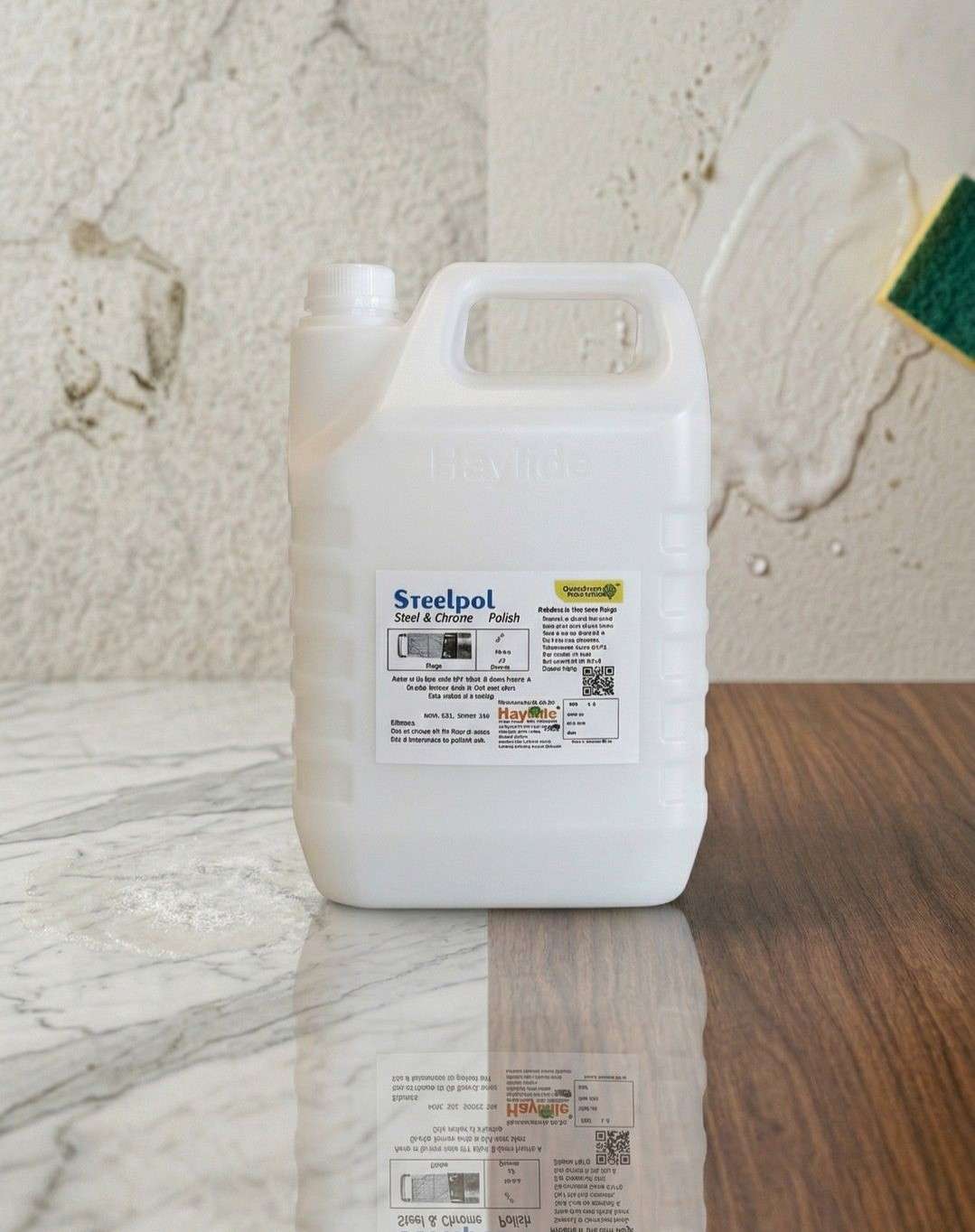
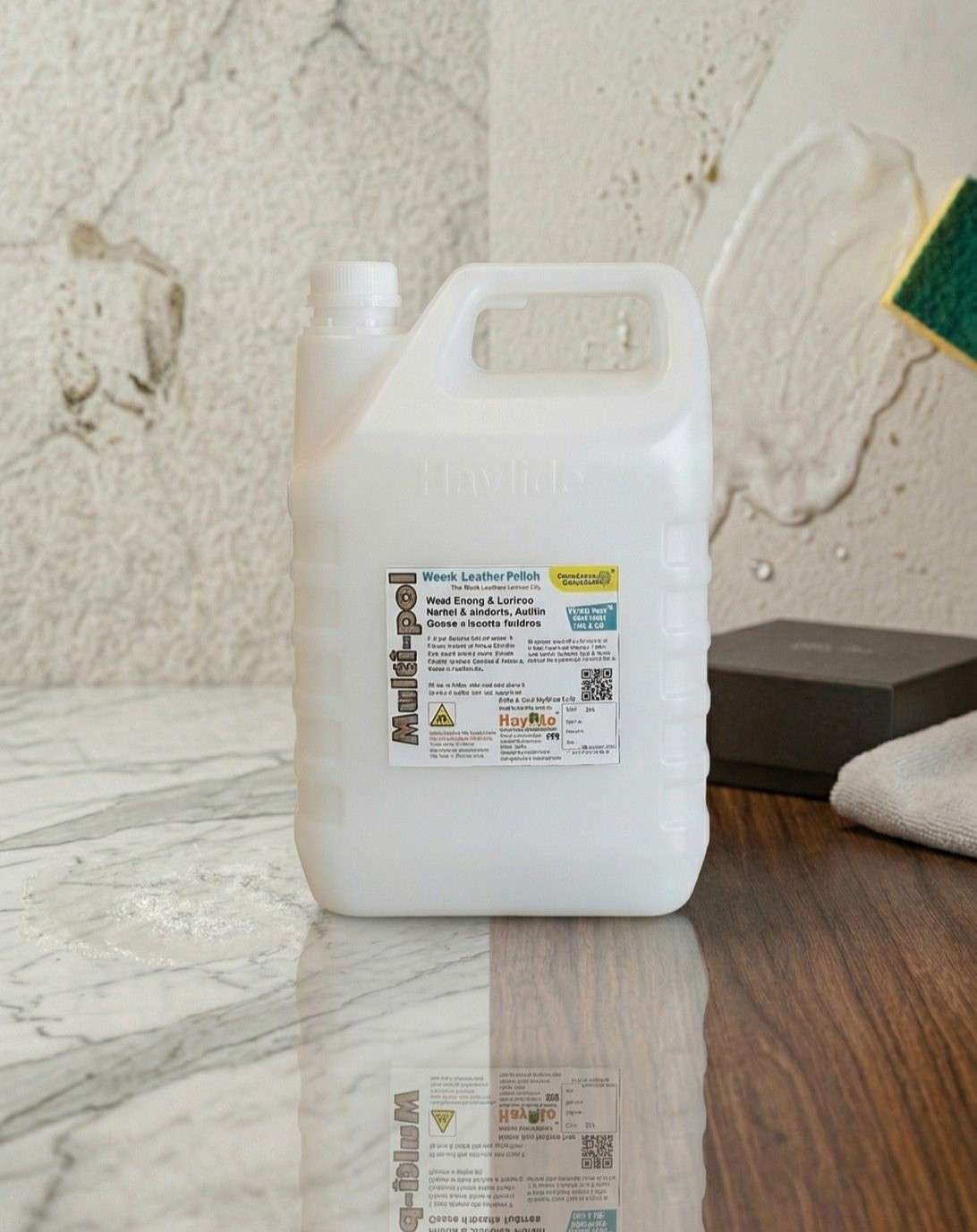
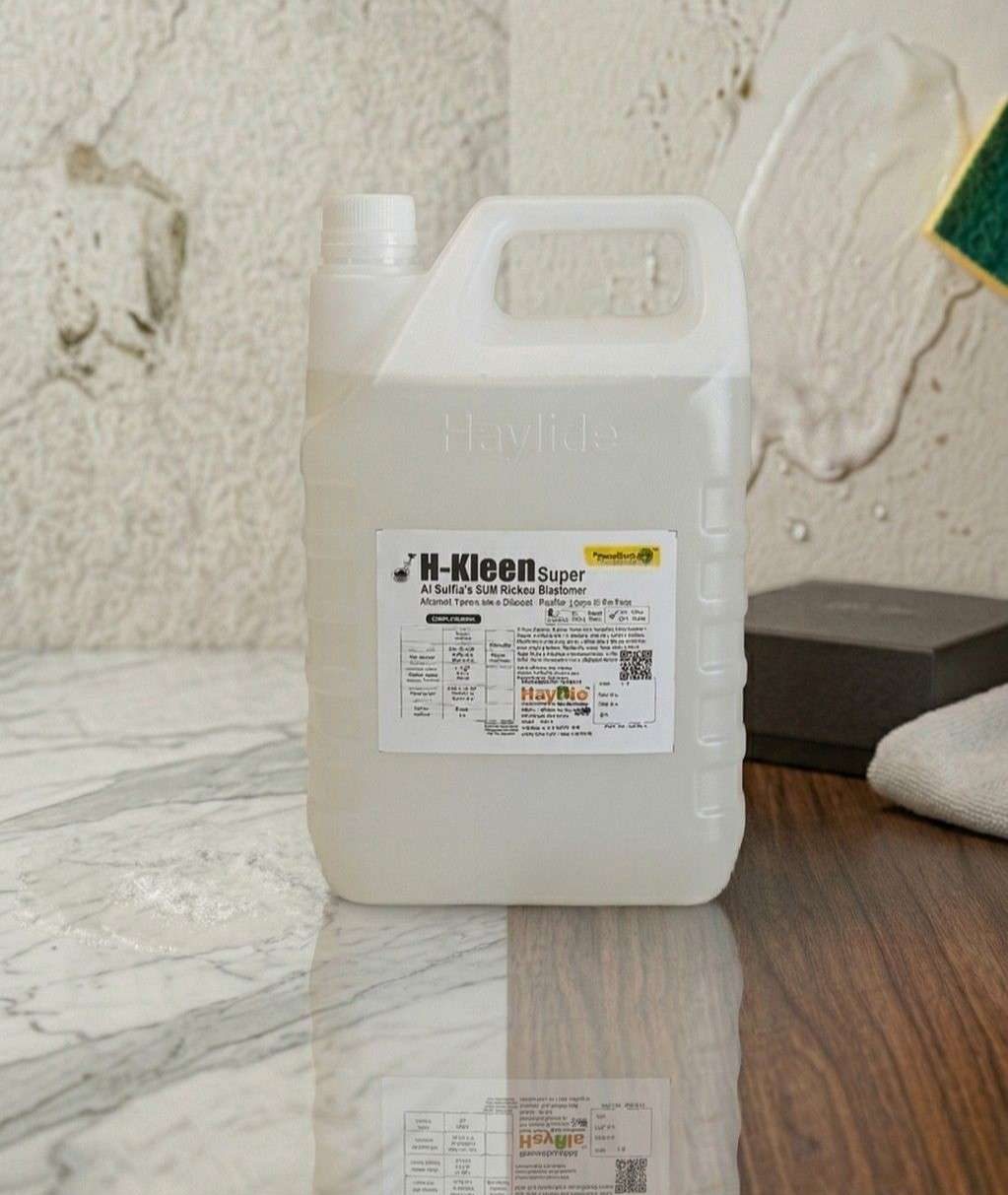
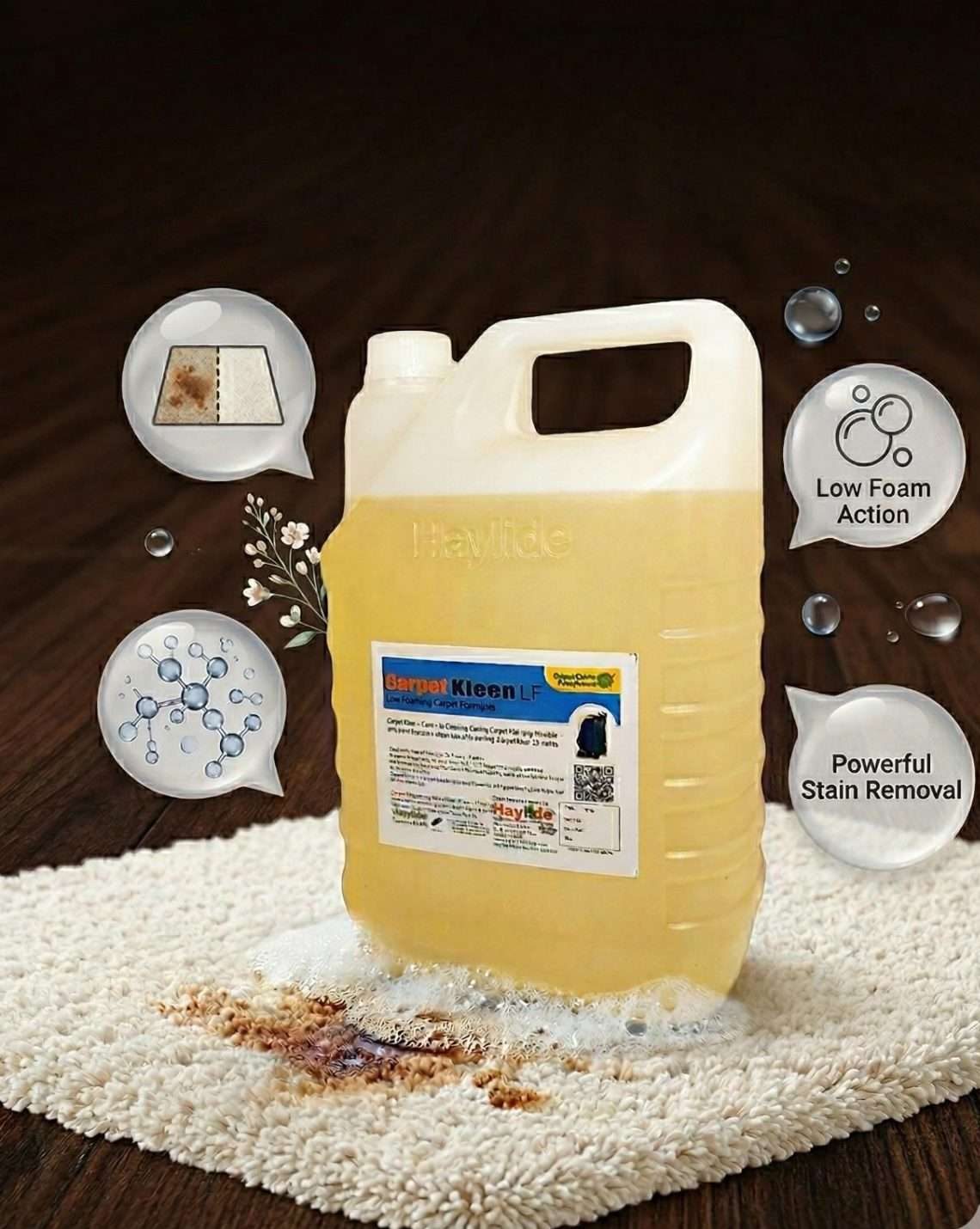
HOUSEKEEPING (Degreasing, Stain removal, Polishing, Carpets)
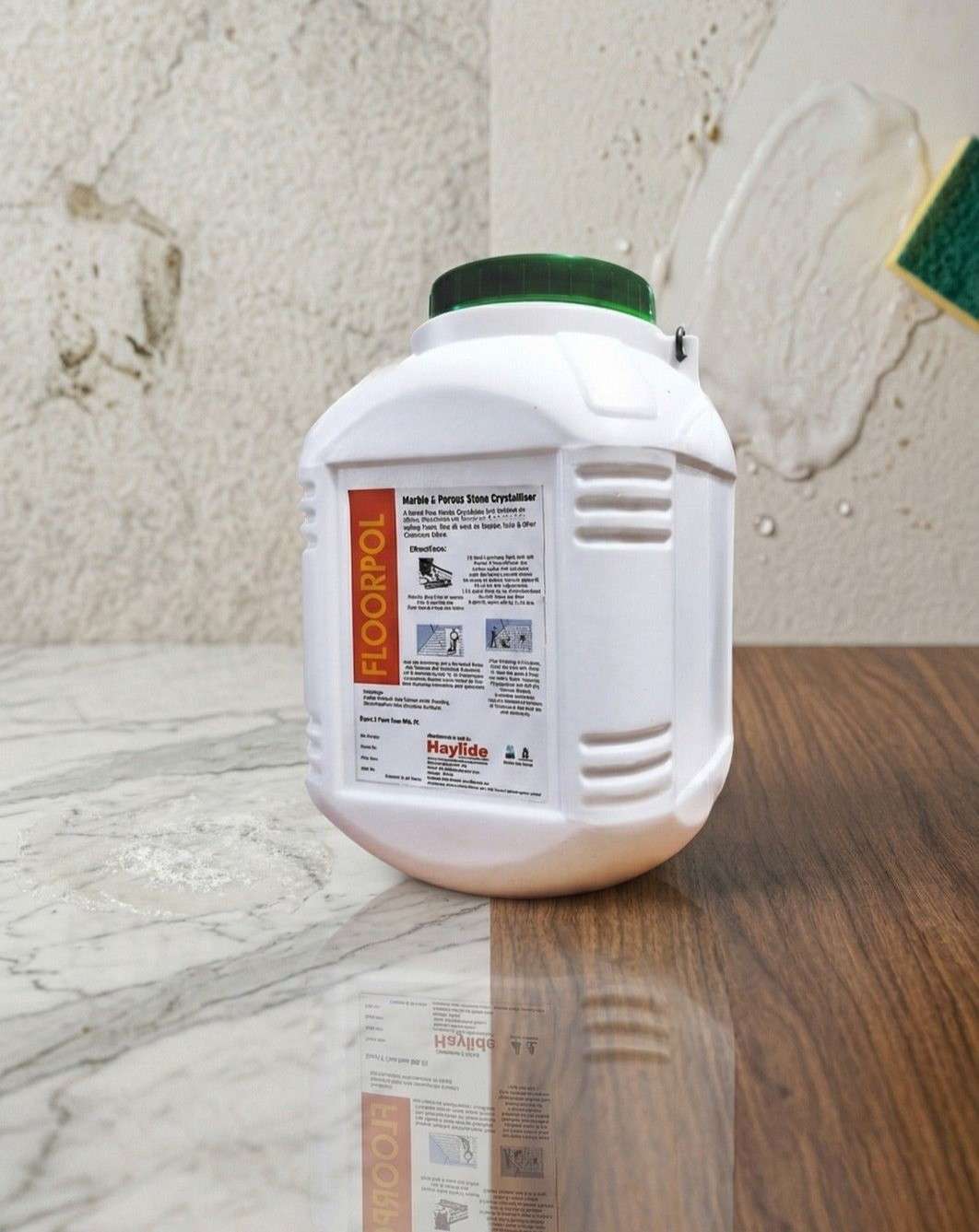
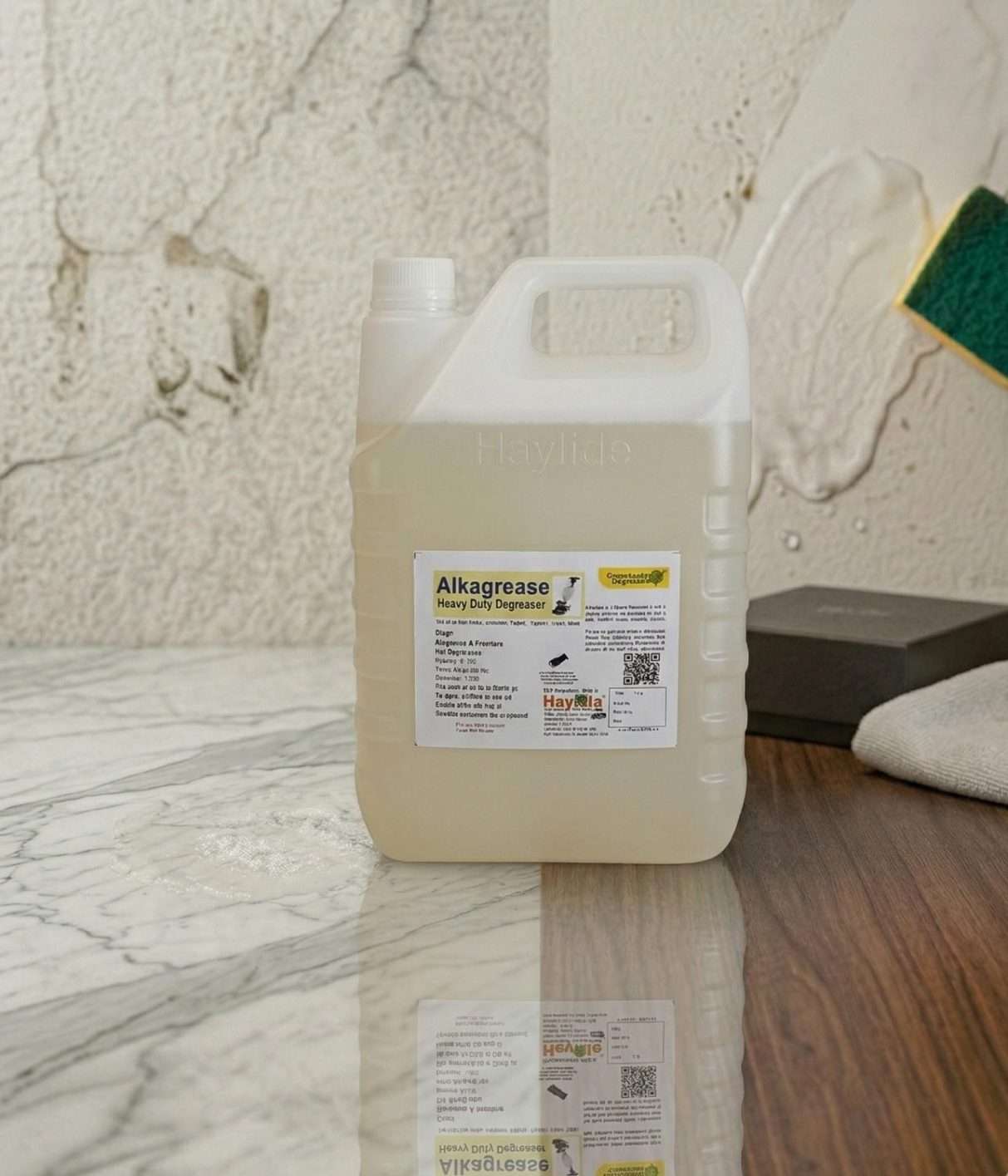
Marble Polish & Crystalizer | Leather & Wood Polish | Heavy Degreaser & Stripper
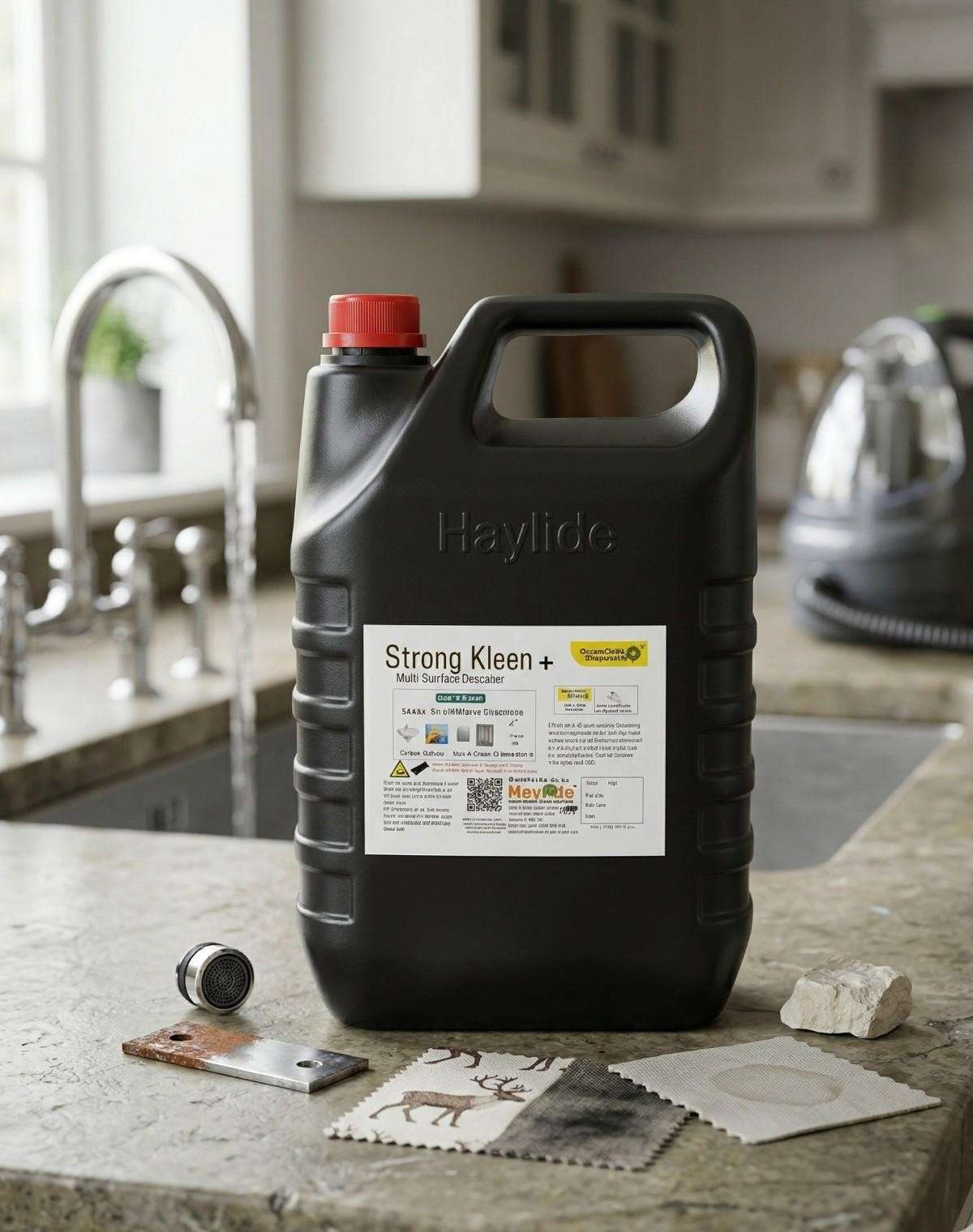
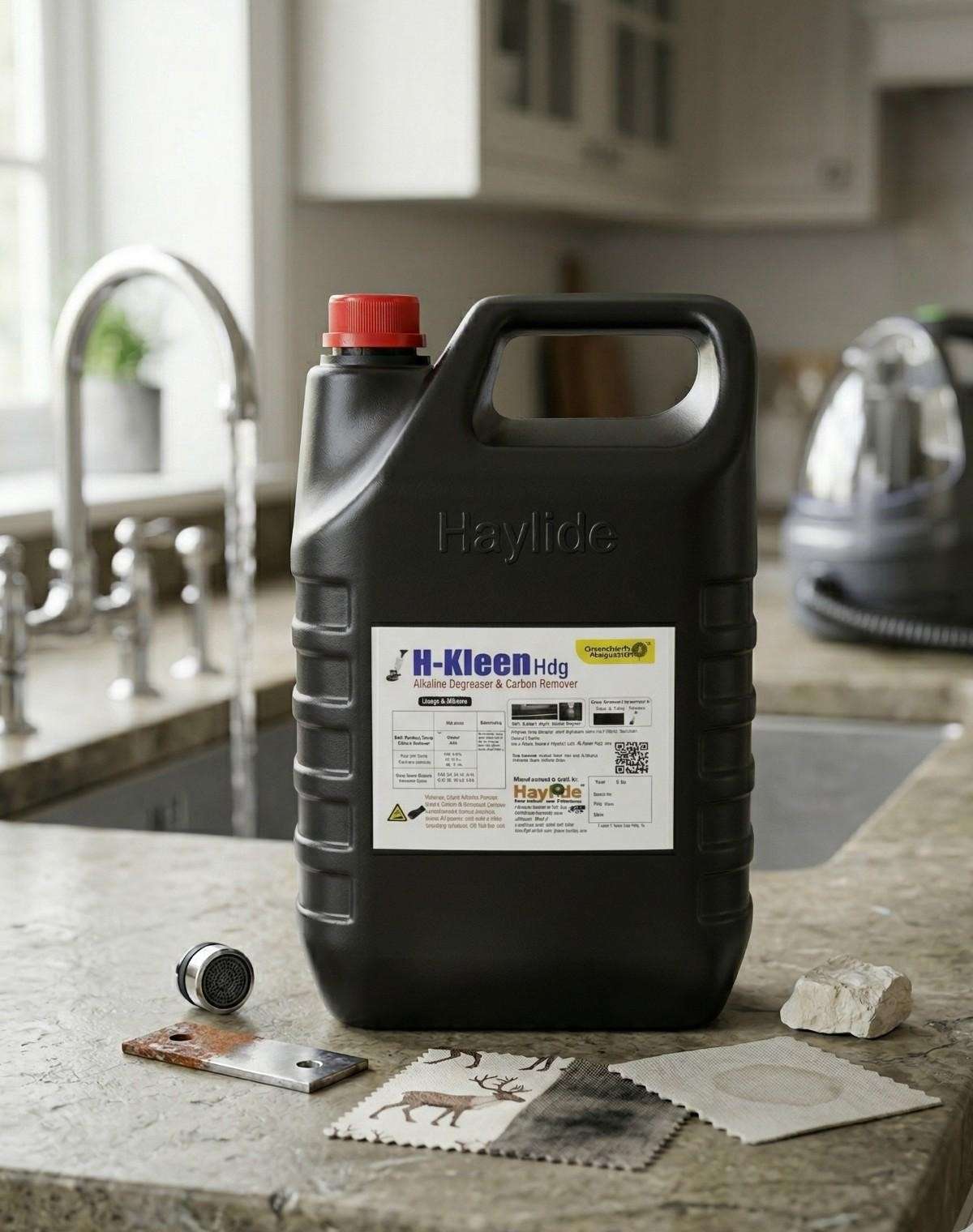
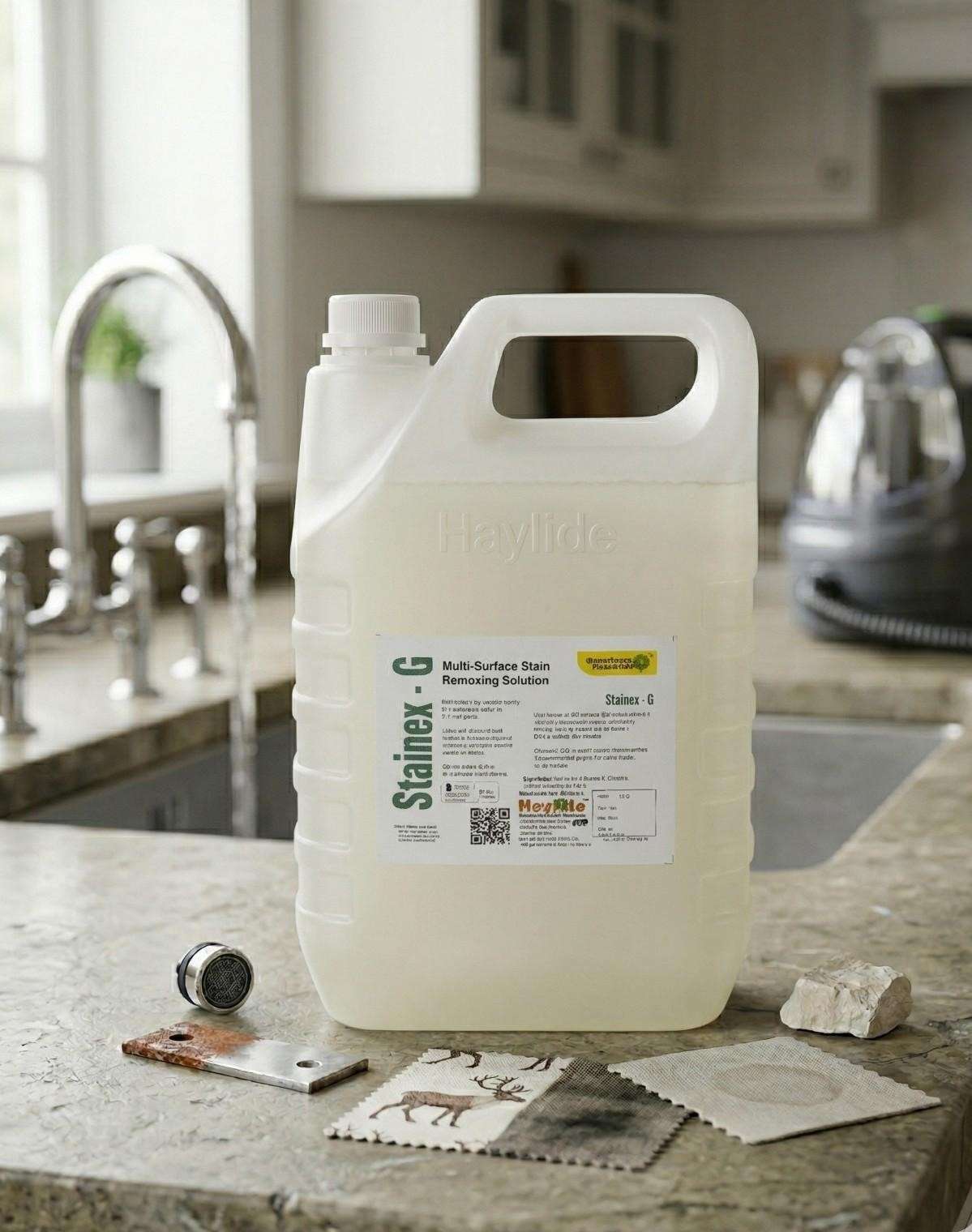
Scale | Carbon |Stain | Rust removers & Upholstery Cleaning
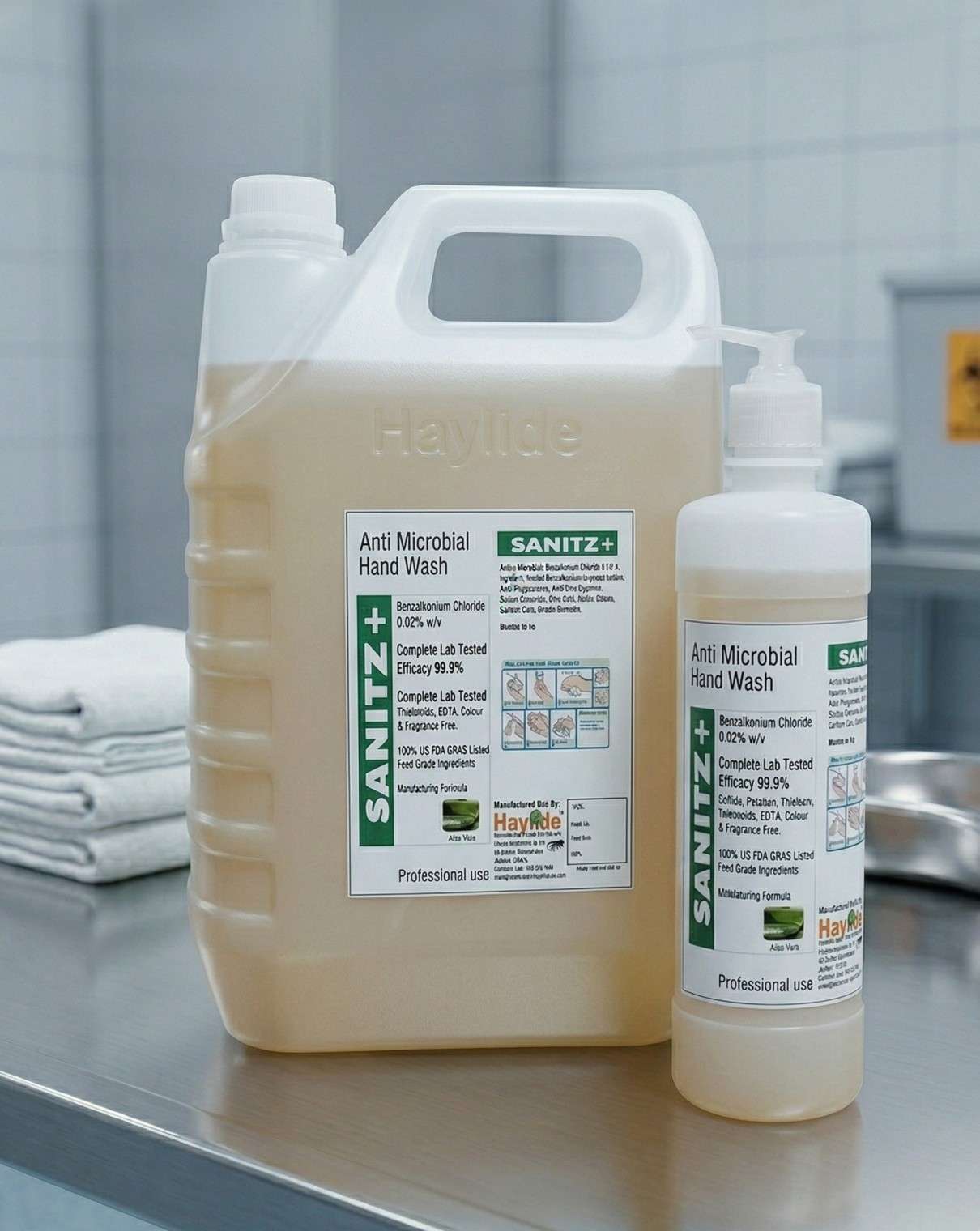
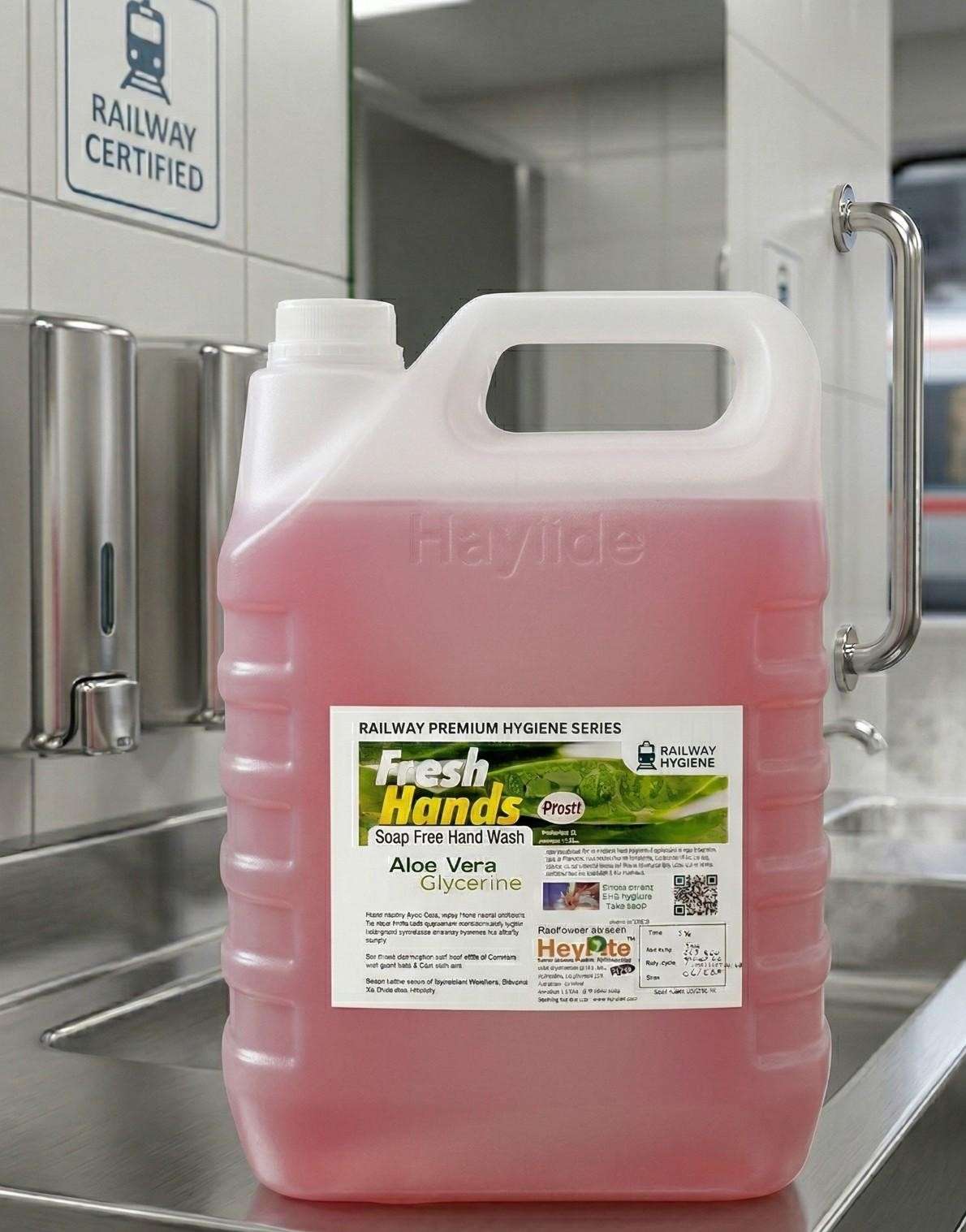
Hand Washes